Tarraco Viva
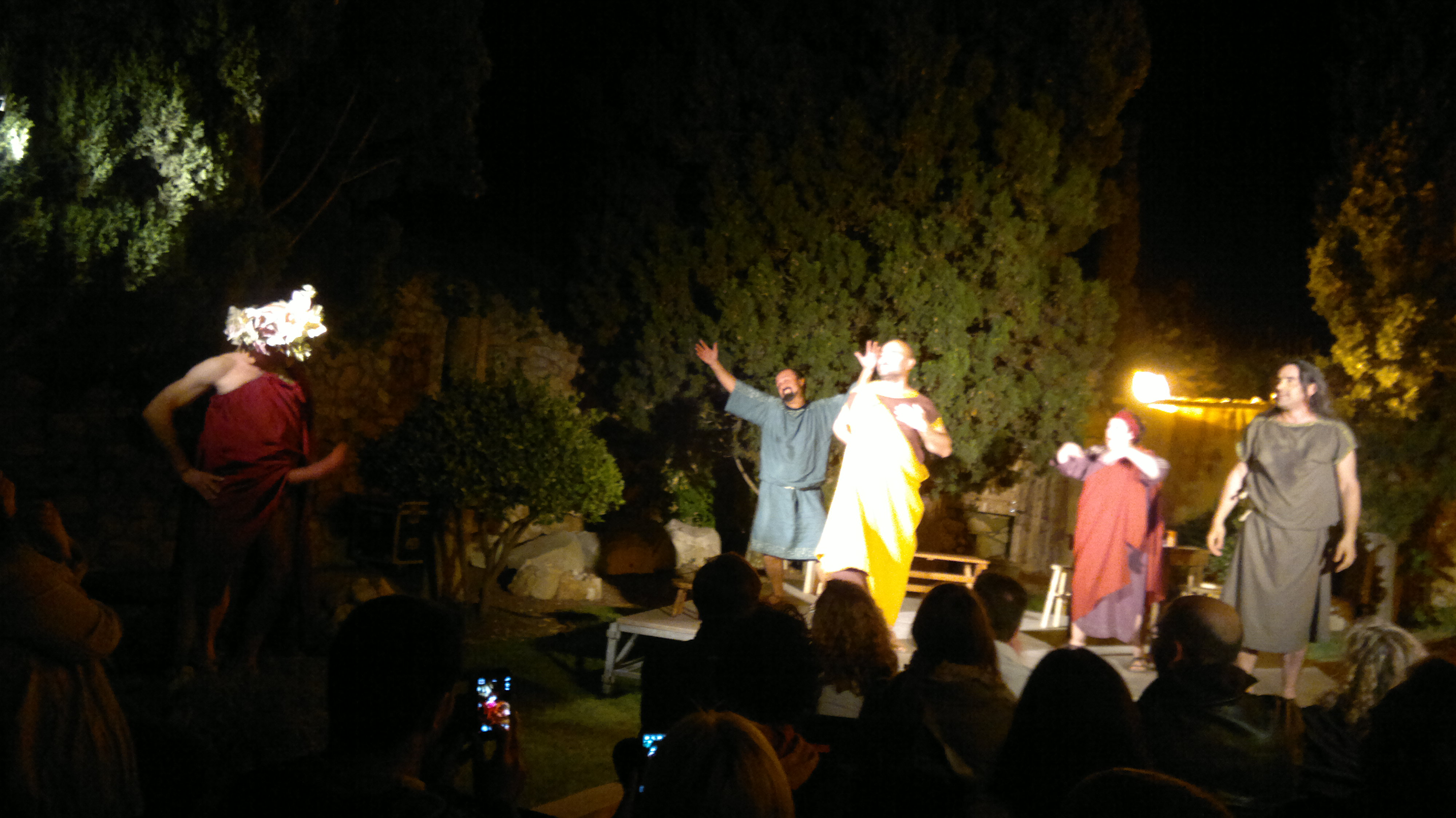
Every May, for about two weeks, Tarragona becomes Tárraco again: Tarraco Viva fills the Roman amphitheatre, circus, and forum with gladiators, legionaries, and period markets. It is the most important Roman re-enactment festival in southern Europe, with more than 500 activities and 70% free admission.
Tárraco, Roman capital, comes alive each May
Tarragona was the first Roman city on the Iberian Peninsula (founded in 218 BC) and capital of Hispania Citerior under Augustus, who resided here in 26–25 BC to direct the Cantabrian Wars. That legacy lives on in Spain's best-preserved Roman archaeological ensemble, a UNESCO World Heritage Site since 2000. Tarraco Viva was born in 1999 precisely to support that candidacy: the city council conceived it as a one-off event, but it worked so well it became an annual fixture. It has been held without interruption ever since (in 2020 it was moved to October in a reduced format due to the pandemic, but it still took place). In 2026 it reached its XXVIII edition. Today it is Europe's benchmark for Roman history outreach, drawing re-enactment groups from Spain and Italy with a clear stamp: archaeological rigour above spectacle. This is not a theme park — it is history explained on the very stages where it actually happened.
Gladiators, market, and legion among the monuments
The festival spreads some 500 events across two weeks, almost all held at the monuments themselves: gladiator bouts at the Amfiteatre, performances at the Circ Romà, re-enactments at the Fòrum and along the city walls. The civic hub is the Camp de Mart, where military camps, the Roman market (featuring artisans, booksellers, and archaeogastronomy) and hands-on workshops in mosaic-making or weaving are set up. Groups stage high-imperial legion tactics, Hellenistic phalanxes, the corps of vigiles (Rome's firefighters), Etruscan rituals, and the role of women in antiquity. There are also lectures and symposia with specialists, plus around twenty free parallel activities at the MNAT. A key tip: capacity rules everything. Most free events operate on a first-come, first-served basis until full, and the Camp de Mart gets packed on the central weekends. Arrive early for whatever you truly want to see.
Living history inside an authentic setting
What sets Tarraco Viva apart is the stage itself: gladiator re-enactments take place in the actual arena of a 2nd-century AD amphitheatre, one of the few Roman amphitheatres on the peninsula overlooking the Mediterranean. These are not replicas. The bouts are performed by groups such as Ars Dimicandi and the Gruppo Storico Romano, and between clashes the master of ceremonies dismantles Hollywood myths: the thumbs-up did not exist (the thumb was hidden in the fist to request mercy); not all gladiators were slaves; and fights to the death were rare, because a fighter was a costly asset. In some activities you can pick up blunted weapons and shields and feel the real weight of the equipment. Tip: the May sun beats straight down into the amphitheatre arena and shade is scarce. Bring a hat, water, and — if you can — a seat in the shade; midday can be brutal.
Getting there from Barcelona, tickets, and practical tips
From Barcelona you have two real options. The AVE/Avlo takes roughly 32–38 minutes, but it stops at Camp de Tarragona station, 9–12 km from the city centre: you then need to add the Plana shuttle bus (~20 min) or a taxi. For the festival, the Regional/Media Distancia often makes more sense: about 1 hour direct to Tarragona-city station, right in the centre with no transfers. May brings 20–24°C during the day and cool evenings (14°C), so pack a layer. Seventy percent of the programme is free and open-access; paid activities tend to be inexpensive. For the archaeological complex, the combined MHT ticket (€15) covers five sites — amphitheatre, circus, forum, praetorium, and city walls — while a single site costs €5, with discounts and free entry on the last Tuesday of the month. A plan that works well: monuments in the calm of the morning, festival in the afternoon. For exact dates, line-up, and prices, always check tarracoviva.com.
Frequently asked questions
When does Tarraco Viva take place, and is it free?
Do I need to book in advance to see the gladiators?
How do I get to the festival from Barcelona?
Which Roman monuments can I visit, and how much does it cost?
Some links on this page are affiliate links: if you book through them, Andelaria may earn a commission at no extra cost to you. Transparency & affiliate policy
Book tickets and tours: Tarraco VivaPlan your trip
Book the essentials for your trip to Tarragona.
Other places in Tarragona
Anfiteatro Romano de Tarragona
monumento2nd-century seafront amphitheatre where bishop Fructuós was martyred in 259.
Catedral de Tarragona
monumentoGothic cathedral built over the former temple of Augustus, atop the Part Alta staircase.
Passeig Arqueològic (Murallas)
monumentoWalk between the Roman and medieval walls, nearly 1 km around the old town.
Balcó del Mediterrani
miradorSea balcony at the end of Rambla Nova; touching the railing is said to bring luck.
El Serrallo
barrioFishermen's quarter with the best seafood and the afternoon fish auction.
Revetlla de Sant Joan
fiestaThe Revetlla de Sant Joan — free and open to all — lights up Tarragona on the night of 23–24 June (the 24th is a public holiday across Catalonia). The Flama del Canigó arrives in the fishermen's quarter of El Serrallo, the bonfire blazes in plaça Corsini, and the beaches fill with fire, firecrackers, coca and cava until dawn.
Festa de Santa Tecla
fiestaSanta Tecla is Tarragona's main festival, held around 23 September in honour of the city's patron saint since the 12th century. It is free and open to all, featuring the richest seguici popular in Catalonia — bestiari, gegants and castellers in a single procession. It holds a double recognition of national interest at both regional and state level.
Festes de Sant Magí
fiestaSant Magí is Tarragona's Festa Major Petita, the co-patron's festival known as "the water festival." In 2026 it runs from August 8 to 19 (with the 19th as the main day). Its hallmark: the "miraculous" water that portants carry on foot from the Brufaganya. Free and open to all.
Similar places in other cities
Revetlla de Sant Joan
SitgesThe Revetlla de Sant Joan is the free, open-access midsummer fire festival on the night of 23–24 June (the 24th is a public holiday throughout Catalonia). In Sitges it unfolds on the beaches, with the Flama del Canigó, coca de Sant Joan, cava and firecrackers until dawn.
Carnaval de Sitges
SitgesThe Carnaval de Sitges is the town's biggest street party: free, open to all, and drawing over 200,000 visitors (municipal figure). Documented since 1586 and revived in 1976, it is today Catalonia's most internationally recognised carnival, featuring two nocturnal rúas, a drag gala, and an unmistakable LGBTQ+ spirit.
Festival de Cine Fantástico de Sitges
SitgesThe Sitges Film Festival is the world's oldest fantastic film festival (since 1968) and a global benchmark for the genre alongside Fantasia and Fantastic Fest. Ten days in October with over 200 horror, fantasy and science fiction films. Screenings are ticketed: individual tickets and passes available on the official website.