Festival de Cine Fantástico de Sitges
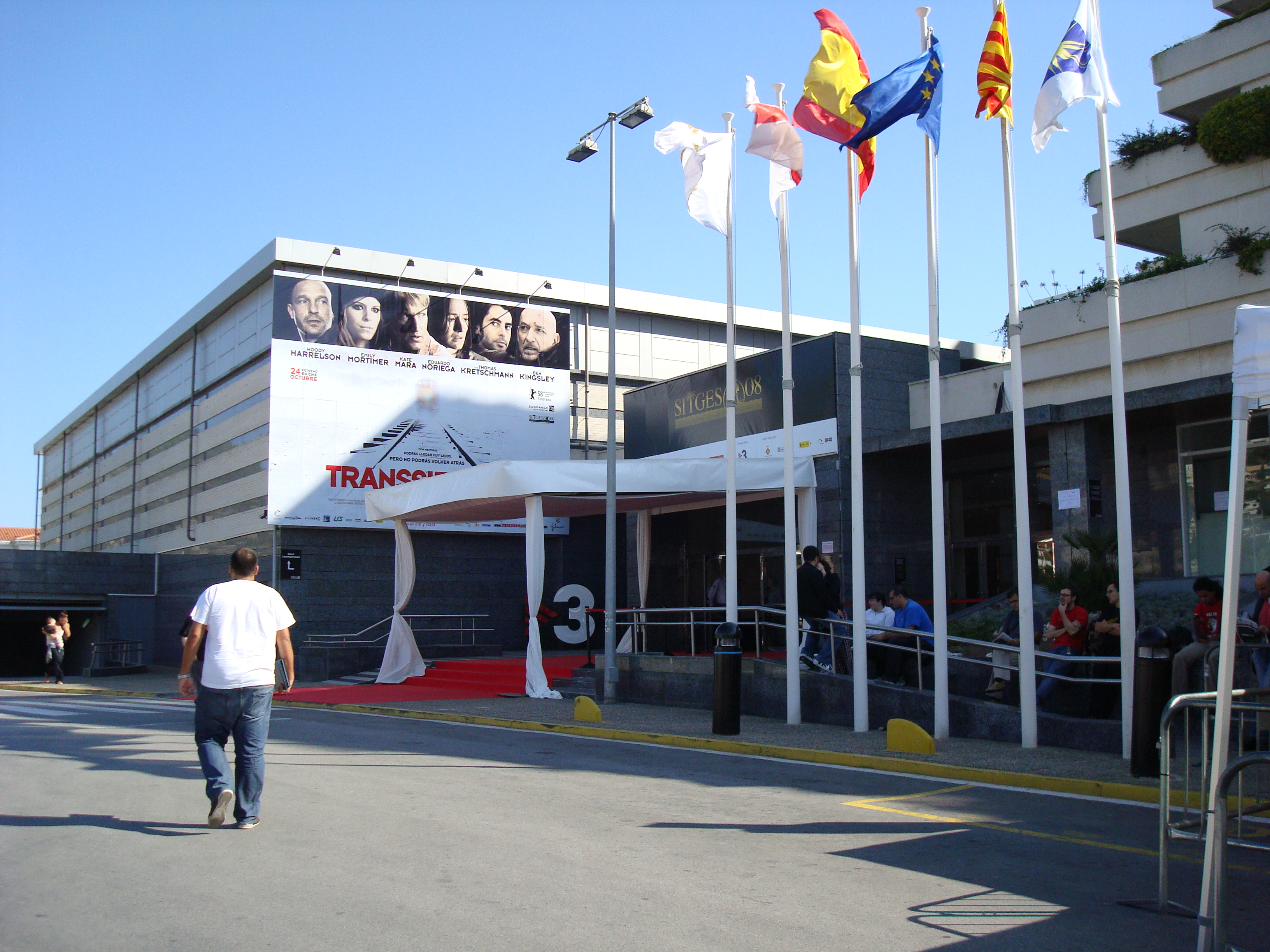
The Sitges Film Festival is the world's oldest fantastic film festival (since 1968) and a global benchmark for the genre alongside Fantasia and Fantastic Fest. Ten days in October with over 200 horror, fantasy and science fiction films. Screenings are ticketed: individual tickets and passes available on the official website.
The grandfather of fantastic cinema
Born in October 1968 as the I Semana Internacional de Cine Fantástico y de Terror, the Sitges Film Festival was organized by local association Sitges Foto-Film, chaired by Dr. Pere Serramalera; Antonio Ráfales took over as director of the established era from 1970 onward. Not a single edition has been missed since, making it the longest-running fantastic film festival in the world. It holds FIAPF accreditation as a competitive festival specializing in fantastic cinema and is an Oscar Qualifying Festival (some winning short films qualify directly for Academy consideration). Since 1995 it has hosted the Méliès d'Or and Méliès d'Argent awards ceremony, presented on a rotating basis among MIFF's European festivals — in recent years Sitges has hosted it consecutively. Tip: the historical archive catalogue is at sitgesfilmfestival.com if you want to check dates and past winners before you travel.
Ten days, over 200 films
The festival runs for around ten or eleven days in the first half of October and programs over 200 films per edition (228 in 2024), spanning premieres, retrospectives and special screenings. It is divided into sections with their own juries: the Secció Oficial Fantàstic a Competició (SOFC), from which the coveted Premi a la Millor Pel·lícula and Gran Premi del Públic are awarded; Noves Visions, for work that breaks genre conventions; Anima't, dedicated to animation; Brigadoon, featuring cult and indie horror; and Sitges XS, for short films. Honorary awards for career achievement are also presented. Critical tip: gala screenings and the most anticipated SOFC slots sell out the moment tickets go on sale; the midnight screenings are an experience in themselves, but watch the last showing if you depend on the train. We do not publish the lineup or specific prices — check the official website for those.
A pilgrimage site for the genre
Sitges is one of the three great genre festivals in the world, alongside Fantasia (Montreal) and Fantastic Fest (Austin). Its red carpet has welcomed figures such as David Lynch, Quentin Tarantino, George A. Romero, Terry Gilliam, Tilda Swinton and Viggo Mortensen. Guillermo del Toro was godfather of the 50th anniversary edition (2017) and maintains a close relationship with the festival; John Carpenter received the Màquina del Temps award in 2008 and returned in 2018 for a live concert of his film scores. The Gran Premio Honorífico has gone to names including M. Night Shyamalan and Geoffrey Rush. The festival generates over 8 million euros in direct economic impact and fills Sitges hotels to nearly 100% capacity during its peak days. Tip: October is absolute peak cultural season in the town — if you are simply looking for a quiet beach getaway, this is not your week.
How to attend from Barcelona
Screenings are ticketed: individual tickets and passes (with reserved seating and priority access) are sold at sitgesfilmfestival.com; press and industry accreditations require advance application to the festival. The main venue is the Auditori Municipal Meliès (Hotel Meliá, approx. 1,380 seats), which hosts galas and the awards ceremony; other venues include the Palau Maricel, Cine El Retiro and Casino Prado, plus the King Kong Area with free-admission activities. From Barcelona, the R2 Sud Rodalies train takes 35–45 minutes; during the festival the Tren Fantàstic runs a special late-night service departing Sitges at 1:30 am directly to Sants (any valid Rodalies ticket accepted). Logistical tip: accommodation in Sitges sells out months in advance, so book in spring or stay in Vilanova i la Geltrú — the next stop on the R2 — and add just a few extra minutes by train.
Frequently asked questions
Do you need a ticket to attend the Sitges Film Festival?
When is it held and how many films does it show?
How do you get there from Barcelona?
Where should you stay during the festival?
Some links on this page are affiliate links: if you book through them, Andelaria may earn a commission at no extra cost to you. Transparency & affiliate policy
Book tickets and tours: Festival de Cine Fantástico de SitgesPlan your trip
Book the essentials for your trip to Sitges.
Other places in Sitges
Església de Sant Bartomeu i Santa Tecla
monumentoThe church on the rock between two beaches, the symbol of Sitges.
Museu del Cau Ferrat
museoSantiago Rusiñol's house-studio, a Modernist gem with works by El Greco.
Platja de la Ribera
playaThe main town beach, beside the promenade and old quarter.
Passeig Marítim
paseoSeafront promenade with palms, terraces and the El Greco statue.
Platja de Sant Sebastià
playaQuieter beach on the far side of the church, family-friendly.
Palau de Maricel
monumentoSeafront Noucentista palace with decorated halls and Mediterranean views, a venue for concerts and weddings.
Revetlla de Sant Joan
fiestaThe Revetlla de Sant Joan is the free, open-access midsummer fire festival on the night of 23–24 June (the 24th is a public holiday throughout Catalonia). In Sitges it unfolds on the beaches, with the Flama del Canigó, coca de Sant Joan, cava and firecrackers until dawn.
Carnaval de Sitges
fiestaThe Carnaval de Sitges is the town's biggest street party: free, open to all, and drawing over 200,000 visitors (municipal figure). Documented since 1586 and revived in 1976, it is today Catalonia's most internationally recognised carnival, featuring two nocturnal rúas, a drag gala, and an unmistakable LGBTQ+ spirit.
Festa Major de Sitges (Sant Bartomeu)
fiestaThe Festa Major de Sant Bartomeu is the celebration Sitgetans truly call their own — not a tourist event like Carnival. It is the town's most deep-rooted festival, declared a Festivity of National Interest in Catalonia, with the Ball de Diables documented since 1853. Free and street-level: its heart is the 36 hours spanning 23 and 24 August.
Similar places in other cities
Revetlla de Sant Joan
BarcelonaOn the night of June 23rd to 24th, Barcelona catches fire: more than 92,000 people packed the beaches in 2025 (Guàrdia Urbana). Free street parties across all ten districts, coca de Sant Joan, cava, firecrackers and the Flama del Canigó brought down from the Pyrenees. June 24th is a public holiday throughout Catalonia. Here's how to enjoy it without nasty surprises.
La Mercè
BarcelonaLa Mercè is Barcelona's biggest festival, free and massive: it draws between 1.5 and 2 million people around 24 September, the feast day of the city's co-patron saint. Hundreds of free events take over the whole city, from castells, correfoc and gegants to the BAM festival and the Piromusical fireworks at Montjuïc, with no ticket required. The exact programme is published every year at barcelona.cat/lamerce.
Primavera Sound
BarcelonaPrimavera Sound is a paid mega-festival that fills Barcelona's Parc del Fòrum in early June. Founded in 2001, it now draws around 75,000 people a day with an international lineup of indie, electronic, hip hop and pop. It isn't free: you get in with a full pass or a day ticket, and it usually sells out months ahead.