El Serrallo
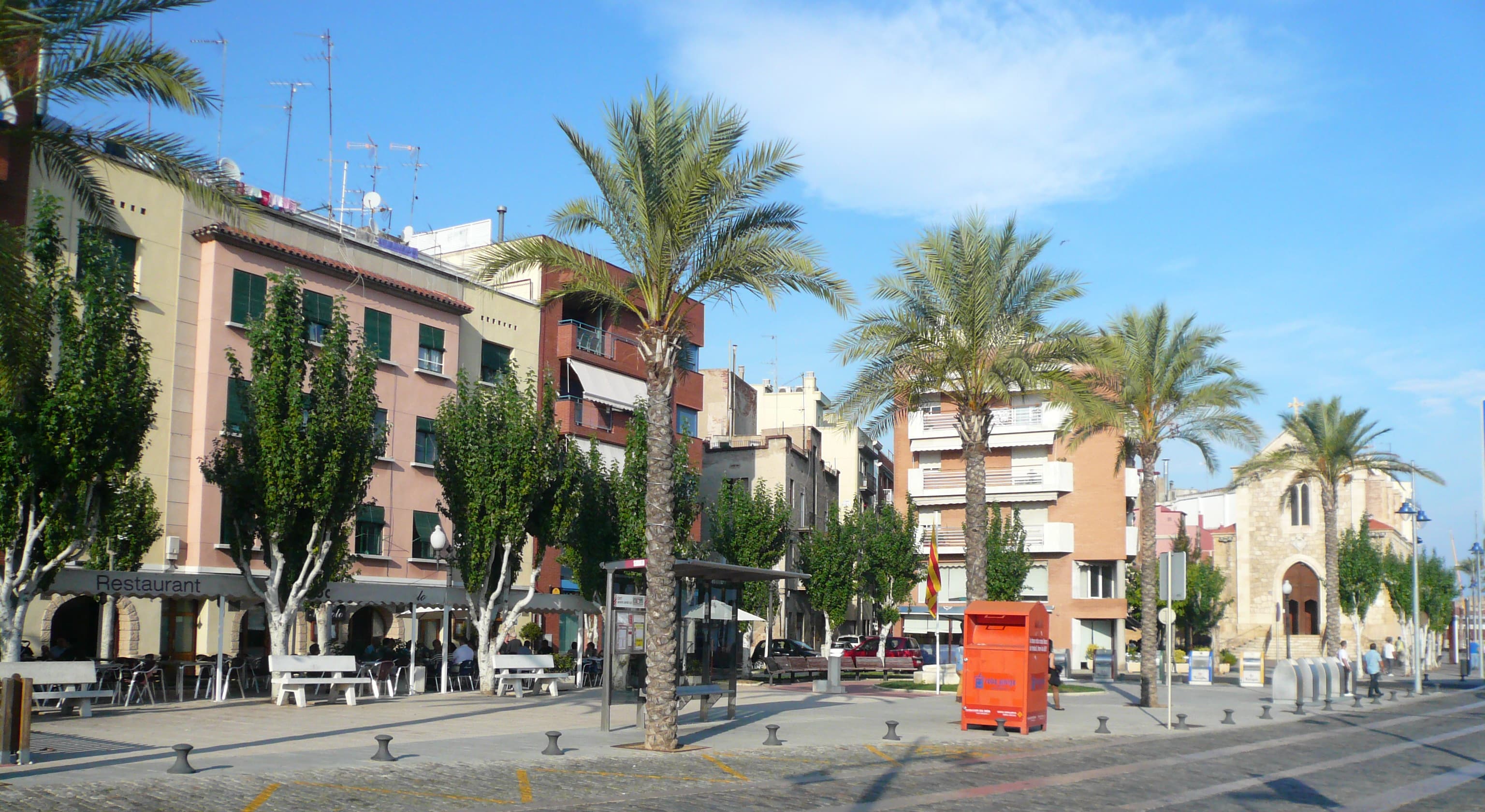
Fishermen's quarter with the best seafood and the afternoon fish auction.
A fishing village within the city
El Serrallo is Tarragona's fishing quarter, and you feel it the moment you step in: inshore boats moored at the dock, nets drying in the sun, low-rise houses with a village feel, and a waterfront that smells like a real working port, not a tourist postcard. Strolling its streets, watching the quay and the fishermen coming and going, costs nothing and has no set hours — the neighbourhood never closes. The real draw here isn't a monument but the everyday rhythm of a port still very much in use. Its name derives from the Arabic-Turkish serrail (ruler's palace) and was established in the mid-19th century. A curious footnote: in 1865, fishermen were only allowed to build wooden houses on wheels, in case they needed to be moved; permanent construction wasn't permitted until 1873.
Fish market, auction and how to skip the queues
The neighbourhood itself is free. If you want to visit the Observatori Blau, the multimedia space inside the Llotja del Peix, advance booking is mandatory — by phone (977 259 434) or email; walk-ins are not accepted, and it's worth checking the current admission price with the Port de Tarragona. The fish market opens Tuesday to Saturday, 10:00–14:00 and in the afternoon (17:00–20:00 in summer; 16:00–19:00 the rest of the year), plus Sundays and public holidays 11:00–14:00; closed Mondays. The corner few tourists reach is the fish auction (subhasta): Monday to Friday around 16:00–17:15, when the boats come in; there's no auction at weekends as the boats don't go out. Today up to 40% of the catch is auctioned in real time online. For the best-known restaurants (Barquet, Morgades, Sol Ric), book a table: in July and August waits without a reservation can exceed an hour.
Getting there and tips from those who've been
The easiest way is to walk from the city centre: the port footbridge, opened in 2018, connects the Passeig de les Palmeres with El Serrallo in about 7 minutes, with lifts and an accessible ramp near the Passeig d'Espanya. By EMT city bus, line L22 terminates in the neighbourhood; lines 16, 41, L0, L2, 12, 15 and E4 also stop here — check timetables on the app or at emttarragona.cat. By train, arrive at Tarragona station (Rodalies R14, R2S, R16, RT1/RT2) and walk about 15 minutes. By car, there's public parking next to the port, but the streets are narrow — better to park on the outskirts. Allow 2–3 hours to walk around and eat; add a lonja visit and the auction and you're looking at half a day. To avoid crowds, go on a weekday, either first thing in the morning or around 17:00. And if you happen to be there for the Sant Pere festival (29 June), you'll see gegants, diables and castellers — but expect a much bigger crowd.
Frequently asked questions
How much does it cost to visit El Serrallo?
Do I need to book to see the fish market and auction?
How long do I need, and when is the best time to go?
Some links on this page are affiliate links: if you book through them, Andelaria may earn a commission at no extra cost to you. Transparency & affiliate policy
Book tickets and tours: El SerralloPlan your trip
Book the essentials for your trip to Tarragona.
Other places in Tarragona
Anfiteatro Romano de Tarragona
monumento2nd-century seafront amphitheatre where bishop Fructuós was martyred in 259.
Catedral de Tarragona
monumentoGothic cathedral built over the former temple of Augustus, atop the Part Alta staircase.
Passeig Arqueològic (Murallas)
monumentoWalk between the Roman and medieval walls, nearly 1 km around the old town.
Balcó del Mediterrani
miradorSea balcony at the end of Rambla Nova; touching the railing is said to bring luck.
Revetlla de Sant Joan
fiestaThe Revetlla de Sant Joan — free and open to all — lights up Tarragona on the night of 23–24 June (the 24th is a public holiday across Catalonia). The Flama del Canigó arrives in the fishermen's quarter of El Serrallo, the bonfire blazes in plaça Corsini, and the beaches fill with fire, firecrackers, coca and cava until dawn.
Festa de Santa Tecla
fiestaSanta Tecla is Tarragona's main festival, held around 23 September in honour of the city's patron saint since the 12th century. It is free and open to all, featuring the richest seguici popular in Catalonia — bestiari, gegants and castellers in a single procession. It holds a double recognition of national interest at both regional and state level.
Tarraco Viva
fiestaEvery May, for about two weeks, Tarragona becomes Tárraco again: Tarraco Viva fills the Roman amphitheatre, circus, and forum with gladiators, legionaries, and period markets. It is the most important Roman re-enactment festival in southern Europe, with more than 500 activities and 70% free admission.
Festes de Sant Magí
fiestaSant Magí is Tarragona's Festa Major Petita, the co-patron's festival known as "the water festival." In 2026 it runs from August 8 to 19 (with the 19th as the main day). Its hallmark: the "miraculous" water that portants carry on foot from the Brufaganya. Free and open to all.
Similar places in other cities
Barri Gòtic
BarcelonaThe medieval heart of the Ciutat Vella: stone alleys, the cathedral, remains of the Roman wall and hidden squares. The best place to get lost on foot in Barcelona.
El Call (barrio judío)
GironaOne of the best-preserved medieval Jewish quarters in Europe: very narrow stone alleys and the Museum of Jewish History.
Barrio del Carmen
ValenciaThe medieval heart of Valencia, with streets dating back to Roman and medieval times, Arab towers such as the Torres de Quart and Torres de Serranos, art galleries and tapas bars. It's the epicentre of Valencian street art and the city's liveliest neighbourhood after dark, buzzing from the afternoon right through to dawn.