Catedral de la Encarnación (La Manquita)
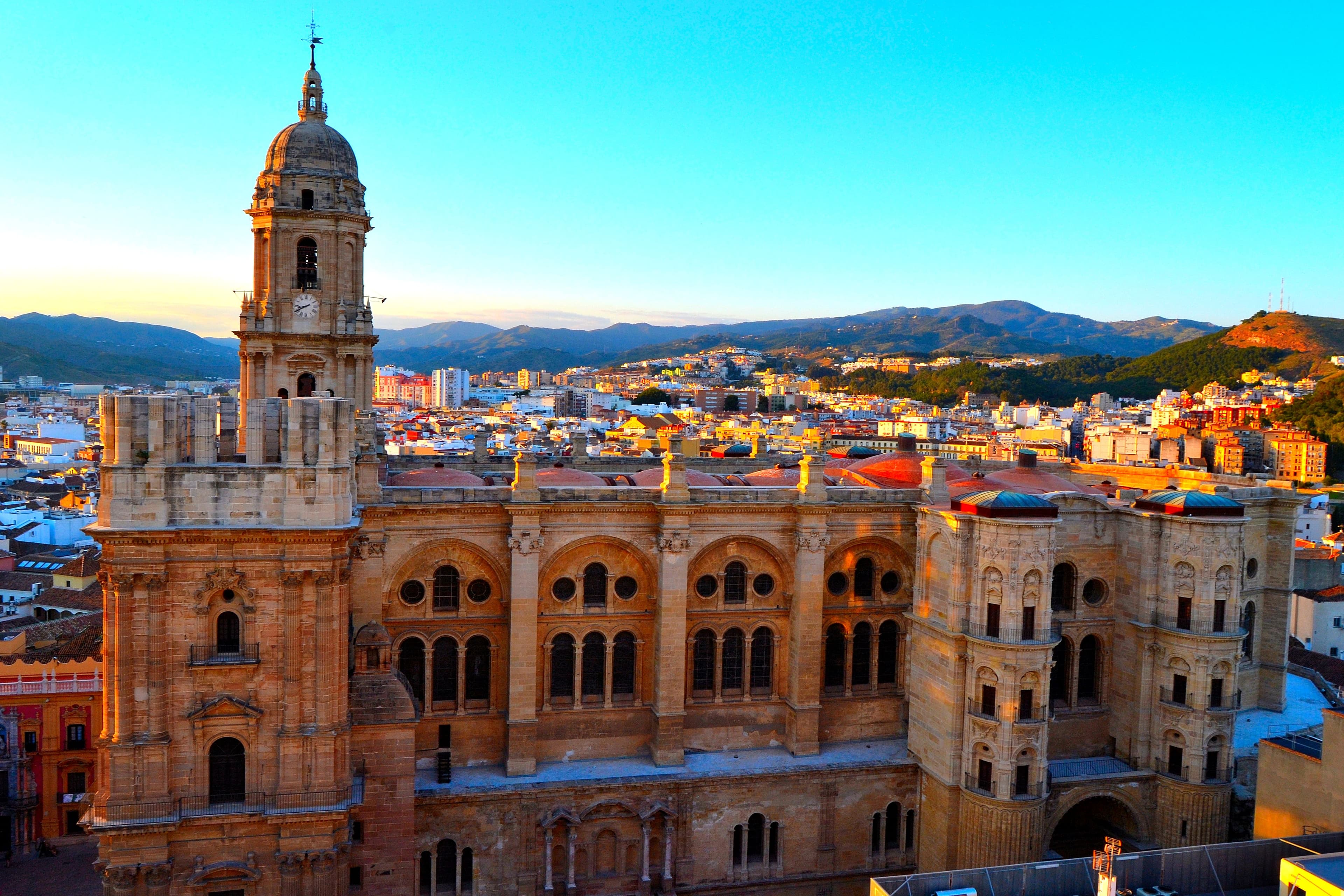
A Renaissance cathedral begun in 1528 on the site of the former main mosque, with Gothic and Baroque touches. Málaga locals call it 'La Manquita' because its south tower was never finished; the north tower reaches 84 metres, the second tallest in Andalusia after the Giralda. Entrance: €6; with rooftop access: €10.
The essentials
- Tickets
- 6 €
Why La Manquita is worth your time
The Cathedral of the Incarnation is the kind of monument that tells its own story just by looking at it: the south tower is missing. That is why the people of Malaga call it La Manquita, the one-armed lady. Construction began in 1528 on the site of the main mosque of the Nasrid medina (Malaga fell in 1487) and was not declared finished until 1782: more than 250 years of building that left a blend of early Gothic, a dominant Renaissance style by Diego de Siloe, Andres de Vandelvira and Hernan Ruiz II, and Baroque finishing touches. The completed north tower reaches 84 metres (92 to the weathervane), the second tallest in Andalusia after the Giralda. The best-documented legend holds that the south tower was left unfinished in 1782 because Charles III diverted the funds to support American colonists in their independence from England. Inside, do not miss the choir: Pedro de Mena, the Baroque sculptor from Malaga, carved 42 high-relief figures there, and the gestures and hands are the finest work he ever did. Two monumental organs with more than 4,000 pipes each complete the scene.
Tickets, opening hours and how to beat the queues
The general admission ticket is around 10-12 EUR, with an audio guide included in 10 languages; check the exact price at malagacatedral.com before you go, as it has gone up recently. Reduced rates apply for senior citizens, young people aged 13 to 17, students and groups of more than 15; children under 13, Malaga residents and people with disabilities enter free. If you only want to see the church without a guide, free access is available from 8:30 to 9:00 (Monday to Saturday) and until 9:30 on Sundays, though the cathedral is usually in liturgical use at that hour. Visiting hours change by season: in summer (Jun-Oct) it opens Monday to Friday until 20:00; in spring until 19:30; and in winter until 18:30. On Saturdays it closes at 18:00, and on Sundays it opens at 14:00. Last entry is 45 minutes before closing. Booking online costs the same as at the ticket desk, but saves you the queue in July, August and Holy Week. Important note: since early 2024 there are restoration works on the roof and roof terraces, and access to the terraces may not be available - call +34 825 765 165 to confirm before counting on it.
How to get there and insider tips
The cathedral sits in the heart of the historic centre pedestrian zone, at Calle Molina Lario 9, with the entrance on Calle Cister. Walking is the easiest option: about 10 minutes from the Alcazaba and about 5 from the Atarazanas Market. EMT buses 1, 19, 25, A and M-110 stop nearby (Alamos stop, around 3 minutes away). The metro (L1/L2) stops at Atarazanas, a 5-7-minute walk, and the tram stops at Paseo del Parque, about 5 minutes away. Leave the car out of the centre: if you have no choice, the Plaza de la Marina car park costs around 1.50 EUR/hour. Allow 45 to 60 minutes for the visit with the audio guide; if the roof terraces are open, add another hour (about 200 steps up a spiral staircase to the 50-metre level). Go first thing (10:30) or in the last hour of the afternoon to avoid the crowds; midday, from 12:00 to 15:00, is the busiest stretch. And if you do go up to the terraces, do it at sunset - the light over Malaga is something else.
Frequently asked questions
How much does admission cost and do I need to book?
How long do I need to visit?
What is the best time to avoid queues?
Some links on this page are affiliate links: if you book through them, Andelaria may earn a commission at no extra cost to you. Transparency & affiliate policy
Book tickets and tours: Catedral de la Encarnación (La Manquita)· 6 €Plan your trip
Book the essentials for your trip to Málaga.
Other places in Málaga
Alcazaba de Málaga
alcazabaAn 11th-century Arab fortress declared a Historic-Artistic Monument in 1931, with 110 towers and three walled enclosures rising from the Roman theatre up to the Nasrid palace. Built under the Zirid taifa of Badis (1056), its inner gardens and pools rival those of the Alhambra. Entrance: €7 (combined with Gibralfaro: €10); free on Sundays from 2 pm.
Castillo de Gibralfaro
castilloA 14th-century Muslim fortress perched 130 metres above the sea, connected to the Alcazaba by the 'coracha' wall. From its battlements you command views of the Port, La Malagueta and the whole bay. A museum room on its military history was opened in 2003. Entrance: €7 (combined with the Alcazaba: €10); free on Sundays from 2 pm.
Museo Picasso Málaga
museoInaugurated by the King and Queen of Spain in October 2003, it occupies the 16th-century Palacio Buenavista in the historic centre. It houses 285 works donated by the Picasso family, covering every period of the Málaga-born genius's career, from his academic studies to late Cubism. Entrance: €13 (audio guide included).
Centro de Arte Contemporáneo de Málaga (CAC)
museoMálaga's only museum dedicated entirely to 20th- and 21st-century art, housed in the former Wholesale Market of 1939 (architects Gutiérrez Soto and Jáuregui). It hosts temporary exhibitions by international artists such as Louise Bourgeois and Marc Quinn in a Rationalist building with a triangular floor plan. Free admission.
Calle Marqués de Larios
plazaA 300-metre pedestrian artery inaugurated on 27 August 1891 and pedestrianised in 2002, it is the commercial and social heart of Málaga. Its 19th-century limestone buildings frame shops and terraces all the way to Plaza de la Constitución. An essential backdrop for the August Fiestas and Málaga's Holy Week. Free access.
Semana Santa en Málaga
fiestaMálaga's Holy Week fills the historic centre with floats weighing up to 4,200 kg, carried by hundreds of men and women bearers. It is free and street-based: from Palm Sunday to Easter Sunday (in 2026, 29 March to 5 April). Its distinctive sound — bugles and drums — was born here in 1911.
Feria de Málaga (Feria de Agosto)
fiestaThe Feria de Málaga is actually two free fairs in one: the daytime fair in the city centre (Calle Larios, 12:00–18:00) and the nighttime fair at the Real del Cortijo de Torres, with around 120 casetas (marquees) with free entry. In 2026 it runs from 15 to 22 August, commemorating the entry of the Catholic Monarchs into Málaga in 1487.
Festival de Málaga — Cine en Español
fiestaThe Málaga Festival is Spain's leading Spanish-language film festival after San Sebastián. Its 29th edition ran from 6 to 15 March 2026 and drew around 111,000 attendees. It is a ticketed event: galas and screenings require a paid entry, except for the free summer programme Cine Abierto.
Noche en Blanco de Málaga
fiestaMálaga's Noche en Blanco is a free nocturnal festival that opens museums, monuments and city-centre streets for a single night. Its 2026 edition (the 17th, held on 16 May, from 20:00 to 01:00) brought together around 150 art, music and dance events across nearly a hundred venues, all free to enter.
Similar places in other cities
Catedral de Granada y Capilla Real
GranadaA Renaissance complex beside the Capilla Real, begun in 1505, which houses the tombs of the Reyes Católicos Isabel and Fernando.
Mezquita-Catedral de Córdoba
CórdobaDeclared a UNESCO World Heritage Site, the Mosque-Cathedral is Córdoba's most iconic monument. Built from the year 786 onwards by Abd al-Rahman I on the site of a Visigoth basilica, it was for centuries the second-largest mosque in the world. Its forest of 856 two-tone columns of jasper and marble is an unforgettable sight.
Catedral de Sevilla y La Giralda
SevillaThe largest Gothic cathedral in the world and the third-largest church by floor area, built on the site of the former Almohad mosque. La Giralda, its 97-metre bell tower, is Seville's undisputed symbol. Inside lies the tomb of Christopher Columbus. The ticket includes access to the tower, which has no steps — only ramps.