Museo Picasso Málaga
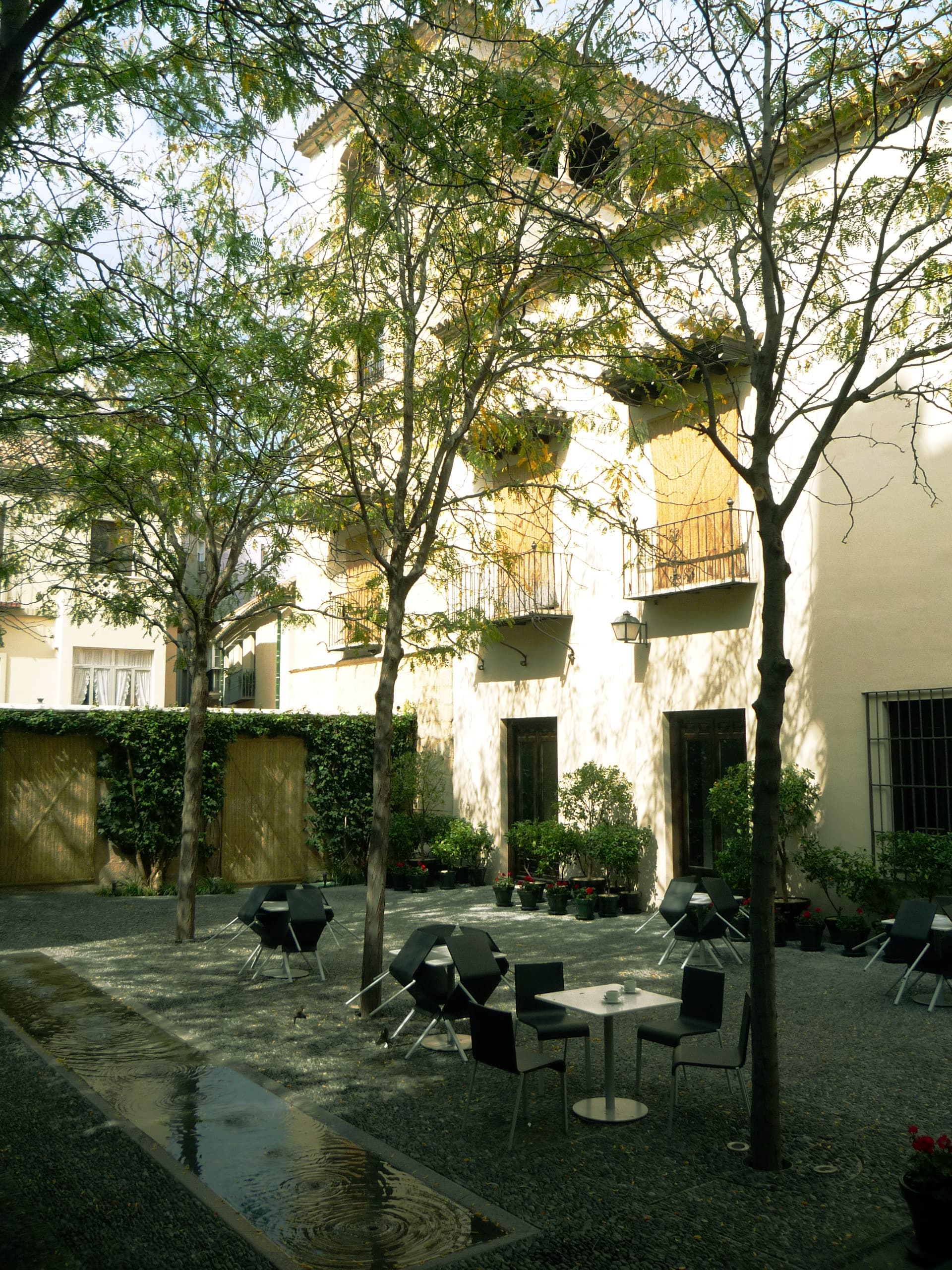
Inaugurated by the King and Queen of Spain in October 2003, it occupies the 16th-century Palacio Buenavista in the historic centre. It houses 285 works donated by the Picasso family, covering every period of the Málaga-born genius's career, from his academic studies to late Cubism. Entrance: €13 (audio guide included).
The essentials
- Tickets
- 13 €
What it is and why it's genuinely worth it
The Museo Picasso Málaga is the only one of the three major museums dedicated to the painter that sits in his hometown — the others are in Paris and Barcelona. It opened on 27 October 2003, the day Picasso would have turned 122, and was born from the artist's own wish: to have his work in Málaga, the city he never returned to after the Spanish Civil War. The founding collection was donated by his daughter-in-law Christine and grandson Bernard Ruiz-Picasso, so the pieces here came straight from the family. There are 233 works across 11 rooms, arranged chronologically over nearly 80 years of work: from his early academic studies through the Blue Period, Cubism, Neoclassicism and his late output. Paintings, drawings, sculptures, ceramics and even a tapestry — look out for 'Jacqueline Seated', 'La Siesta' and 'Harlequin with Mirror'. The building is the Palacio de Buenavista, a 16th-century Renaissance mansion, and construction work uncovered a 7th-century BC Phoenician settlement beneath the foundations that you can also visit. That combination — palace, archaeological remains and Picasso under one roof — is what makes the visit so rewarding.
Tickets, prices and hours (and how to skip the queue)
The standard ticket costs €13 and the reduced ticket €11 (for over-65s, Euro<26 Youth Card holders and accredited students under 26). Entry is free for under-17s, people with disabilities, University of Málaga students, teachers, ICOM members, journalists and registered unemployed people. If you're on a tight budget, there is free admission every Sunday during the last two opening hours (ticket desk closes 30 minutes before) and on selected dates such as 18 May (International Museum Day) and 27 October (the museum's anniversary). Bear in mind: those free slots fill up fast, so they're not ideal if you want a quiet visit. The official website does not list the audio guide as included in the base price, so confirm at the desk or online before counting on it. Hours vary by season: November to February 10:00–18:00; March to June and September to October 10:00–19:00; July and August 10:00–20:00. Last admission is 30 minutes before closing. Booking online is not compulsory for individual visits, but it's the most convenient option: with your ticket on your phone you go straight to the checkpoint and skip the box-office queue, which in summer and Holy Week can be long.
How to get there and tips from people who've been
The museum is in the heart of the old town (Calle San Agustín, 8), about 10–12 minutes on foot from the Alameda Principal — if you're already in the centre, walking is the easiest option. By public transport, EMT bus lines 1, 36 and 37 are the most direct; by metro, line 1 (MetroMálaga) drops you at La Marina, about 10 minutes' walk away, and is the best option if you're coming from further out. From the suburban rail network, Málaga Centro Alameda station is roughly 15 minutes on foot. There is no direct tram. The museum has no parking of its own; the nearest car parks are at Plaza de la Marina and the Alcazaba (around €2/hour). Allow 1.5 to 2 hours for the permanent collection, plus 30 minutes if you want to see the archaeological site below. To avoid crowds, weekday afternoons are best, especially from 17:00 onwards. A couple of practical notes: photography of the works is not permitted, bags must not exceed A4 size and must be worn at the front (there is a cloakroom), and open umbrellas, food and drink are not allowed inside. The museum is wheelchair accessible. If you see a price of €9 anywhere, ignore it — it's out of date.
Frequently asked questions
How much does a ticket cost and do I need to book in advance?
How much time do I need for the visit?
What's the best time to avoid queues?
Some links on this page are affiliate links: if you book through them, Andelaria may earn a commission at no extra cost to you. Transparency & affiliate policy
Book tickets and tours: Museo Picasso Málaga· 13 €Plan your trip
Book the essentials for your trip to Málaga.
Other places in Málaga
Alcazaba de Málaga
alcazabaAn 11th-century Arab fortress declared a Historic-Artistic Monument in 1931, with 110 towers and three walled enclosures rising from the Roman theatre up to the Nasrid palace. Built under the Zirid taifa of Badis (1056), its inner gardens and pools rival those of the Alhambra. Entrance: €7 (combined with Gibralfaro: €10); free on Sundays from 2 pm.
Catedral de la Encarnación (La Manquita)
catedralA Renaissance cathedral begun in 1528 on the site of the former main mosque, with Gothic and Baroque touches. Málaga locals call it 'La Manquita' because its south tower was never finished; the north tower reaches 84 metres, the second tallest in Andalusia after the Giralda. Entrance: €6; with rooftop access: €10.
Castillo de Gibralfaro
castilloA 14th-century Muslim fortress perched 130 metres above the sea, connected to the Alcazaba by the 'coracha' wall. From its battlements you command views of the Port, La Malagueta and the whole bay. A museum room on its military history was opened in 2003. Entrance: €7 (combined with the Alcazaba: €10); free on Sundays from 2 pm.
Centro de Arte Contemporáneo de Málaga (CAC)
museoMálaga's only museum dedicated entirely to 20th- and 21st-century art, housed in the former Wholesale Market of 1939 (architects Gutiérrez Soto and Jáuregui). It hosts temporary exhibitions by international artists such as Louise Bourgeois and Marc Quinn in a Rationalist building with a triangular floor plan. Free admission.
Calle Marqués de Larios
plazaA 300-metre pedestrian artery inaugurated on 27 August 1891 and pedestrianised in 2002, it is the commercial and social heart of Málaga. Its 19th-century limestone buildings frame shops and terraces all the way to Plaza de la Constitución. An essential backdrop for the August Fiestas and Málaga's Holy Week. Free access.
Semana Santa en Málaga
fiestaMálaga's Holy Week fills the historic centre with floats weighing up to 4,200 kg, carried by hundreds of men and women bearers. It is free and street-based: from Palm Sunday to Easter Sunday (in 2026, 29 March to 5 April). Its distinctive sound — bugles and drums — was born here in 1911.
Feria de Málaga (Feria de Agosto)
fiestaThe Feria de Málaga is actually two free fairs in one: the daytime fair in the city centre (Calle Larios, 12:00–18:00) and the nighttime fair at the Real del Cortijo de Torres, with around 120 casetas (marquees) with free entry. In 2026 it runs from 15 to 22 August, commemorating the entry of the Catholic Monarchs into Málaga in 1487.
Festival de Málaga — Cine en Español
fiestaThe Málaga Festival is Spain's leading Spanish-language film festival after San Sebastián. Its 29th edition ran from 6 to 15 March 2026 and drew around 111,000 attendees. It is a ticketed event: galas and screenings require a paid entry, except for the free summer programme Cine Abierto.
Similar places in other cities
Medina Azahara (Madinat al-Zahra)
CórdobaA caliphal palace city built in 936 by Abd al-Rahman III, 8 km from Córdoba, declared a UNESCO World Heritage Site in 2018. At its peak it housed up to 25,000 people. The throne room of Abd al-Rahman III, with its restored polychrome marble arches, conveys the splendour of the Córdoba caliphate at the height of its power.
Metropol Parasol (Las Setas)
SevillaThe largest wooden structure in the world, designed by Jürgen Mayer H. and inaugurated in 2011 in the Plaza de la Encarnación. Its elevated walkways offer the best panoramic views of Seville. At ground level it houses the Antiquarium, with Roman and Arab archaeological remains from the 1st century. Not to be missed at sunset.
Museo del Prado
MadridSpain's most important painting museum holds more than 8,000 works on display, among them Velázquez's Las Meninas, Bosch's The Garden of Earthly Delights and Goya's cartoons. Juan de Villanueva's neoclassical building, opened in 1819, is itself a monumental piece of architecture on the Paseo del Arte.