Feria de Málaga (Feria de Agosto)
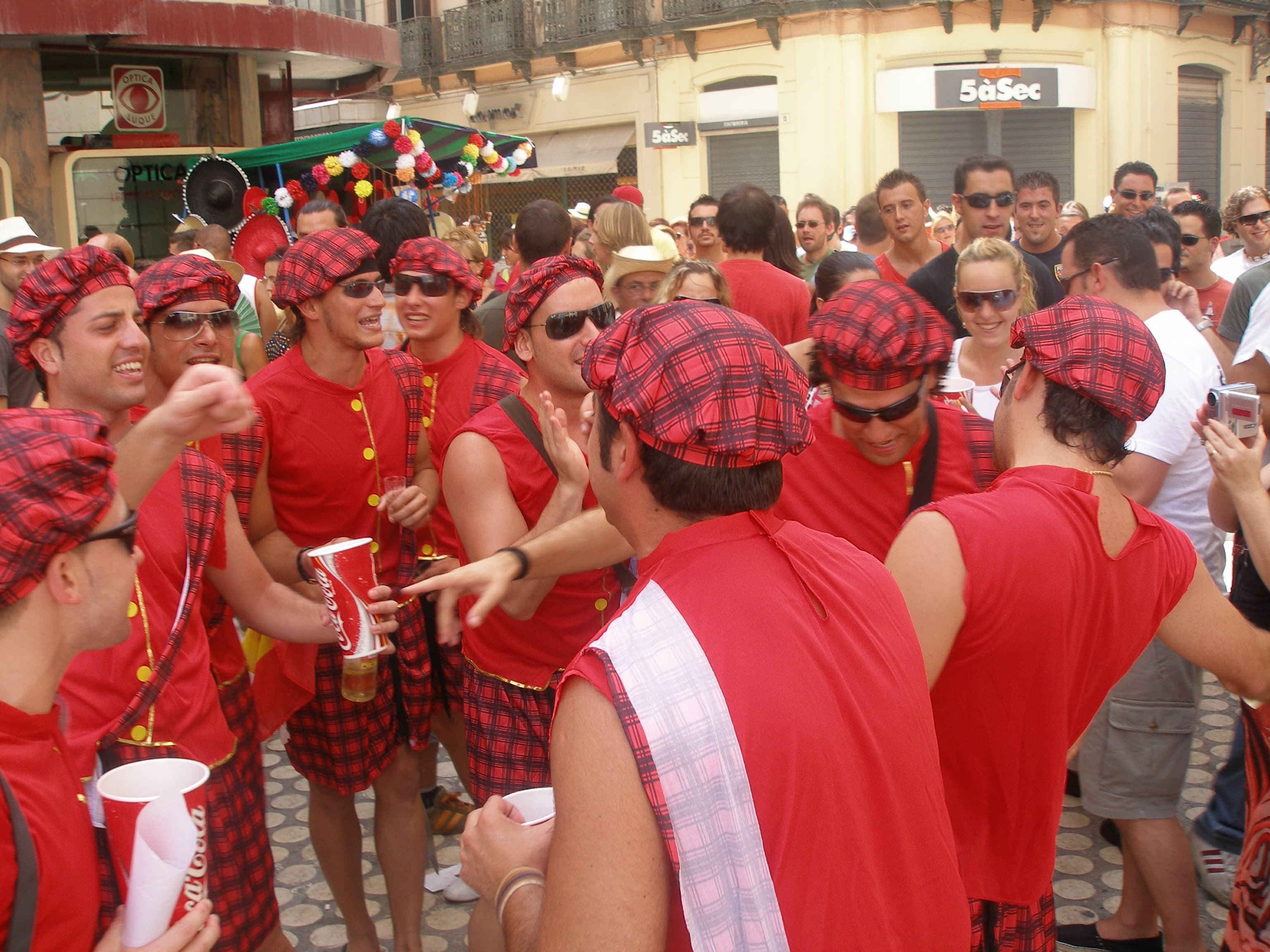
The Feria de Málaga is actually two free fairs in one: the daytime fair in the city centre (Calle Larios, 12:00–18:00) and the nighttime fair at the Real del Cortijo de Torres, with around 120 casetas (marquees) with free entry. In 2026 it runs from 15 to 22 August, commemorating the entry of the Catholic Monarchs into Málaga in 1487.
2026 dates and over 530 years of history
The Feria de Málaga 2026 runs from 15 to 22 August (eight days), as confirmed by the Ayuntamiento. Note: if you see '13–20 August' on any tourism website, those are the 2025 dates; for 2026 it is 15–22. The key historical date is 19 August, which marks the entry of the Catholic Monarchs into Málaga after the conquest of 1487. The Cabildo Municipal established the fair in 1491 and the first formal celebration took place on 15 August that year — which means 2026 marks over 530 years: it is one of the oldest fairs in Spain. This is no cardboard-and-glitter medieval re-enactment; it is a living celebration with documented roots. Since the detailed programme for each year (poster, concerts, exact timetables) takes time to be published, check malaga.eu/feria-de-malaga to confirm dates and schedule before you travel.
Two fairs in one: the centre by day, the Real by night
This is the misunderstanding that ruins more visits than anything else: the daytime fair and the nighttime fair are in completely different locations, not the same event running through the day. The Feria del Centro takes place in the historic district (Calle Larios, Plaza de la Constitución, Plaza de la Merced) from 12:00 to 18:00, is free, family-friendly, and open to the streets — flamenco performances and pandas de verdiales (traditional music groups) right out in the open air. At 18:00 it wraps up completely; there is no party atmosphere left in the centre after that. The Feria de Noche is held at the Real del Cortijo de Torres (next to the Palacio de Congresos, Cruz del Humilladero), the largest fairground in Andalusia, with around 120 casetas that open at 14:00 and close between 02:00 and 07:00. Critical tip: do not mix up the two venues when planning your evening — the Real is on the outskirts and there is no direct metro link. If you want a relaxed, family-friendly atmosphere, go during the day; the Real means noise, crowds and heat well into the early hours.
What to drink, what to wear, and the Romería as a prelude
At the Real the drink of choice is rebujito (dry fino or manzanilla sherry mixed with lime-lemon soda, served in shared buckets), Málaga's sweet Moscatel wine (D.O. Málaga) and dry fino; malagueños make a clear distinction between ordering 'a fino' and ordering a rebujito. Critical tip: sweet wine and rebujito go down dangerously easy in the heat and creep up on you — alternate with water or you will be done by midnight. As for dress, 60–70% of people at the Real wear a traje de flamenca (women) or a campero suit (men); it is not compulsory, but turning up in casual sportswear at night looks out of place, and since 2025 some casetas have banned flip-flops, swimwear or trainers. By local ordinance, no caseta may charge an entry fee, require an invitation or impose a minimum spend (backed by inspections and fines, though compliance is not always perfect). The preceding Saturday kicks off the sentimental prelude: the Romería de la Virgen de la Victoria, the patron saint, whose procession winds through the city from the Cathedral to the Santuario.
Friday fireworks and how to get around without a car
The festive opener begins at midnight from Friday 14 to Saturday 15 with a pyromusical show launched from the port area (the access road to the cruise terminal) — around 20 minutes and hundreds of kilos of fireworks; in 2026, drones over the beaches are also being added. It can be watched for free from the entire coastal strip: La Malagueta, Huelin and La Misericordia are the natural vantage points. To get around, the EMT bus service runs extra routes with neighbourhood specials (approximately 20:00–06:00) and the Línea F Centro-Real, which runs 24 hours during the fair; it departs from the north side of the Alameda Principal and costs €2 (cash or card). Important heads-up: there is no direct metro to Cortijo de Torres (the closest stop is Plaza del Teatro, then connect by bus), and buses get seriously packed in the early hours. Locals head up to the Real before 23:00 or come back down after 04:00 to avoid the queues. Check timetables at emtsam.org before you go.
Frequently asked questions
Do you have to pay to get into the casetas at the Real?
When is the Feria de Málaga 2026 and why is 19 August significant?
Is the daytime fair the same as the nighttime fair?
How do I get to the Real del Cortijo de Torres without a car?
Some links on this page are affiliate links: if you book through them, Andelaria may earn a commission at no extra cost to you. Transparency & affiliate policy
Book tickets and tours: Feria de Málaga (Feria de Agosto)Plan your trip
Book the essentials for your trip to Málaga.
Other places in Málaga
Alcazaba de Málaga
alcazabaAn 11th-century Arab fortress declared a Historic-Artistic Monument in 1931, with 110 towers and three walled enclosures rising from the Roman theatre up to the Nasrid palace. Built under the Zirid taifa of Badis (1056), its inner gardens and pools rival those of the Alhambra. Entrance: €7 (combined with Gibralfaro: €10); free on Sundays from 2 pm.
Catedral de la Encarnación (La Manquita)
catedralA Renaissance cathedral begun in 1528 on the site of the former main mosque, with Gothic and Baroque touches. Málaga locals call it 'La Manquita' because its south tower was never finished; the north tower reaches 84 metres, the second tallest in Andalusia after the Giralda. Entrance: €6; with rooftop access: €10.
Castillo de Gibralfaro
castilloA 14th-century Muslim fortress perched 130 metres above the sea, connected to the Alcazaba by the 'coracha' wall. From its battlements you command views of the Port, La Malagueta and the whole bay. A museum room on its military history was opened in 2003. Entrance: €7 (combined with the Alcazaba: €10); free on Sundays from 2 pm.
Museo Picasso Málaga
museoInaugurated by the King and Queen of Spain in October 2003, it occupies the 16th-century Palacio Buenavista in the historic centre. It houses 285 works donated by the Picasso family, covering every period of the Málaga-born genius's career, from his academic studies to late Cubism. Entrance: €13 (audio guide included).
Centro de Arte Contemporáneo de Málaga (CAC)
museoMálaga's only museum dedicated entirely to 20th- and 21st-century art, housed in the former Wholesale Market of 1939 (architects Gutiérrez Soto and Jáuregui). It hosts temporary exhibitions by international artists such as Louise Bourgeois and Marc Quinn in a Rationalist building with a triangular floor plan. Free admission.
Calle Marqués de Larios
plazaA 300-metre pedestrian artery inaugurated on 27 August 1891 and pedestrianised in 2002, it is the commercial and social heart of Málaga. Its 19th-century limestone buildings frame shops and terraces all the way to Plaza de la Constitución. An essential backdrop for the August Fiestas and Málaga's Holy Week. Free access.
Semana Santa en Málaga
fiestaMálaga's Holy Week fills the historic centre with floats weighing up to 4,200 kg, carried by hundreds of men and women bearers. It is free and street-based: from Palm Sunday to Easter Sunday (in 2026, 29 March to 5 April). Its distinctive sound — bugles and drums — was born here in 1911.
Festival de Málaga — Cine en Español
fiestaThe Málaga Festival is Spain's leading Spanish-language film festival after San Sebastián. Its 29th edition ran from 6 to 15 March 2026 and drew around 111,000 attendees. It is a ticketed event: galas and screenings require a paid entry, except for the free summer programme Cine Abierto.
Noche en Blanco de Málaga
fiestaMálaga's Noche en Blanco is a free nocturnal festival that opens museums, monuments and city-centre streets for a single night. Its 2026 edition (the 17th, held on 16 May, from 20:00 to 01:00) brought together around 150 art, music and dance events across nearly a hundred venues, all free to enter.
Similar places in other cities
Fiestas del Corpus de Granada
GranadaCorpus Christi is Granada's biggest festival: a full week of free fairground festivities centred on a Thursday with a moveable date (60 days after Easter, almost always between late May and early June). The procession of the Custodia, fairground casetas in Almanjáyar, the Tarasca figure and the satirical Carocas panels in Bib-Rambla.
Semana Santa de Granada
GranadaGranada's Semana Santa brings together 32 brotherhoods, 58 floats and more than 2,000 costaleros, and holds the title of Festival of International Tourist Interest. It is free and open to anyone on the street. Its hallmark is quiet devotion: the Silencio de la Madrugá moves through darkness to the beat of a single drum, with the Alhambra as a backdrop.
Festival Internacional de Música y Danza de Granada
GranadaFounded in 1952, the Granada International Festival of Music and Dance is one of the oldest classical music festivals in Europe. Every summer, between June and July, it stages classical music, flamenco, and dance at the Palacio de Carlos V and the Generalife, within the Alhambra. It is a ticketed event: entry must be purchased in advance.