Alfama
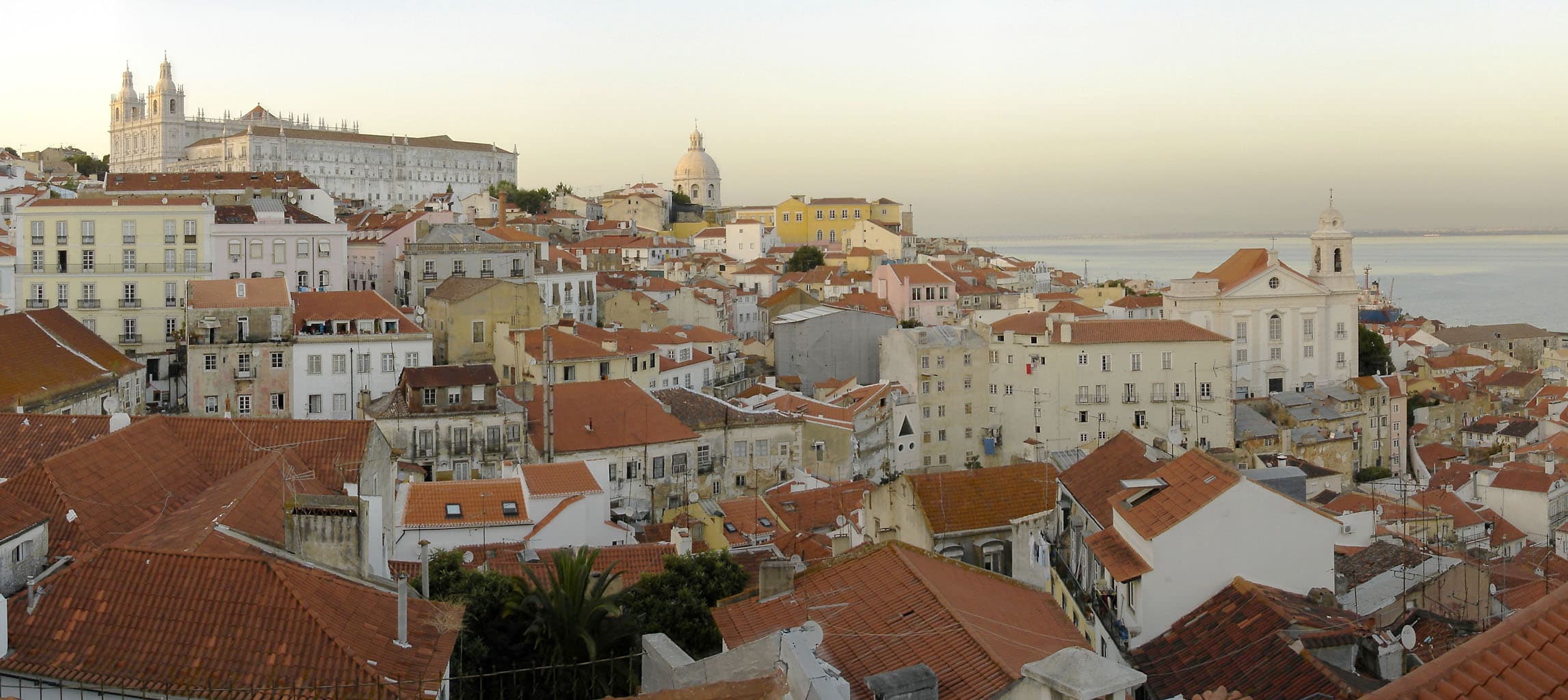
Lisbon's oldest quarter, a maze of lanes that survived the 1755 earthquake and the birthplace of fado.
What Alfama is and why it's worth your time
Alfama is Lisbon's oldest neighbourhood and the only one that survived the 1755 earthquake intact: while the rest of the city was rebuilt on a rationalist grid (the Baixa Pombalina), Alfama kept its medieval maze of dead-end alleyways (becos), staircases and courtyards. The name comes from the Arabic al-ḥamma (the thermal springs), dating from when it was the residential heart of the city during Arab rule (711–1147). It is also the birthplace of fado: this song form was born in Lisbon's working-class neighbourhoods in the mid-19th century, and Alfama became its epicentre — which is precisely why the Museu do Fado is located here. UNESCO declared fado Intangible Cultural Heritage in 2011. Wandering the neighbourhood itself is free: there are no ticket booths or entry fees, just streets to climb on foot.
Tickets, opening hours and how to skip the queues
The neighbourhood is free to enter; what you pay for are its monuments. The Castelo de São Jorge costs €8.50 (€5 for students under 25, over-65s and disabled visitors; free for under-10s; family ticket 2+2 for €20) and opens 09:00–21:00 from March to October and 09:00–18:00 from November to February; closed 1 January, 1 May and 24–25 December. Buy online at castelodesaojorge.pt to skip the queue, especially in summer. The Museu do Fado costs €5 (€2.50 for young people aged 13–25; free for under-12s) and opens Tuesday to Sunday 10:00–18:00 (last entry 17:30). The Panteão Nacional is €8. Viewpoints such as Santa Luzia and Largo das Portas do Sol are free, and the interior of the Cathedral (Sé) is also free (cloister and treasury are extra — check at the ticket desk). If you plan to visit several museums in one day, the Lisboa Card (24/48/72 h) includes the castle at a discount and covers public transport.
How to get there and tips from those who've been
The iconic tram 28E (Martim Moniz → Alfama → Baixa → Chiado) runs every 10–15 minutes from around 05:40 to 23:30, and the key stop is Largo das Portas do Sol. Ticket: €1.90 with a Viva Viagem/Navegante card versus €3.30 paying the driver (cash only), so buy the card beforehand at any metro station or tobacconist. In summer the 28E queue can exceed 45 minutes between 11:00 and 16:00; less crowded alternatives are tram 12E and bus 737. The nearest metro is the Green Line (Martim Moniz or Rossio), from where it's a 15-minute walk uphill or a connection to the 28E. Tested tip: walk up to the castle and ride the tram back down towards Baixa to avoid the busiest stop. Allow half a day (3–4 hours) to wander the streets and visit the castle, or a full day (5–6 hours) if you add the museum and pantheon. Best before 10:00 or from 18:00 onwards, when tour groups thin out and the local atmosphere returns. Wear non-slip soles: wet Portuguese cobblestones are extremely slippery.
Frequently asked questions
How much does it cost to enter Alfama?
How much time do I need to see Alfama?
What is the best time to visit Alfama?
Some links on this page are affiliate links: if you book through them, Andelaria may earn a commission at no extra cost to you. Transparency & affiliate policy
Book tickets and tours: AlfamaPlan your trip
Book the essentials for your trip to Lisboa.
Other places in Lisboa
Torre de Belém
monumento16th-century Manueline fortified tower on the Tagus, a UNESCO World Heritage site and symbol of the Age of Discoveries.
Mosteiro dos Jerónimos
monumentoManueline-Gothic masterpiece in Belém, a UNESCO site, home to the cloister and the tomb of Vasco da Gama.
Castelo de São Jorge
monumentoMedieval castle atop the Alfama hill, with ramparts, peacocks and the finest panorama over the city and river.
Praça do Comércio
plazaThe grand riverside square of the Baixa, opening onto the Tagus beneath the Arco da Rua Augusta and the equestrian statue of King José I.
Time Out Market (Mercado da Ribeira)
mercadoThe former Cais do Sodré market turned food hall with stalls from renowned chefs and Lisbon cooking.
Miradouro da Senhora do Monte
miradorLisbon's highest viewpoint, in Graça, with a 180º view over the castle, Baixa and Tagus, perfect at sunset.
Festas de Santo Antonio de Lisboa
fiestaThe Festas de Santo António are Lisbon's biggest celebration: free and open throughout June, with the main night falling on the 12th to 13th. Neighbourhood arraiais with sardinha assada, the Marchas Populares along Avenida da Liberdade (each bairro competes) and the collective Casamentos de Santo António at the Sé. Over 40 events, nearly all at no cost.
Festas de Lisboa
fiestaThe Festas de Lisboa honour Santo António (who died on 13 June 1231) throughout the entire month of June, with the climax on the night of the 12th. Free and open to all: neighbourhood arraiais with grilled sardines, manjericos and the Marchas Populares along Avenida da Liberdade since 1932.
NOS Alive
fiestaNOS Alive is one of Portugal's biggest music festivals. A ticketed event (day passes or full festival passes), it takes place every July at the Passeio Marítimo de Algés (Oeiras), on the banks of the Tagus river just a few minutes by train from central Lisbon. Rock, indie, pop and electronic music since 2007.
Natal em Lisboa
fiestaChristmas transforms Lisbon into one of Europe's grandest light spectacles: around 182 km of LED lights across 46 points in the Baixa and Chiado, switched on from late November through 6 January. Markets, an ice rink and New Year's Eve fireworks over the Tagus — all free and outdoors.
Similar places in other cities
Ribeira
PortoThe Douro-side old town, a UNESCO site, with its colourful houses, terraces and the quay beneath the bridge.
Barrio de Santa Cruz
SevillaThe medieval Jewish quarter of whitewashed alleyways, flower-filled courtyards and squares shaded by orange trees. Nestled beside the Alcázar and the Cathedral, it is the romantic heart of Seville. Wandering streets like Agua or Vida, discovering the Hospital de los Venerables and sitting in the Plaza de Doña Elvira are experiences that capture the very soul of the city.
Calleja de las Flores
CórdobaThe most photographed alley in Córdoba, set within the medieval Judería. Its whitewashed façades covered in pots of geraniums and begonias form a natural frame through which the Mosque's bell tower appears in the distance. Together with the surrounding Judería neighbourhood, it is the finest surviving example of Andalusian urban planning.