Ribeira
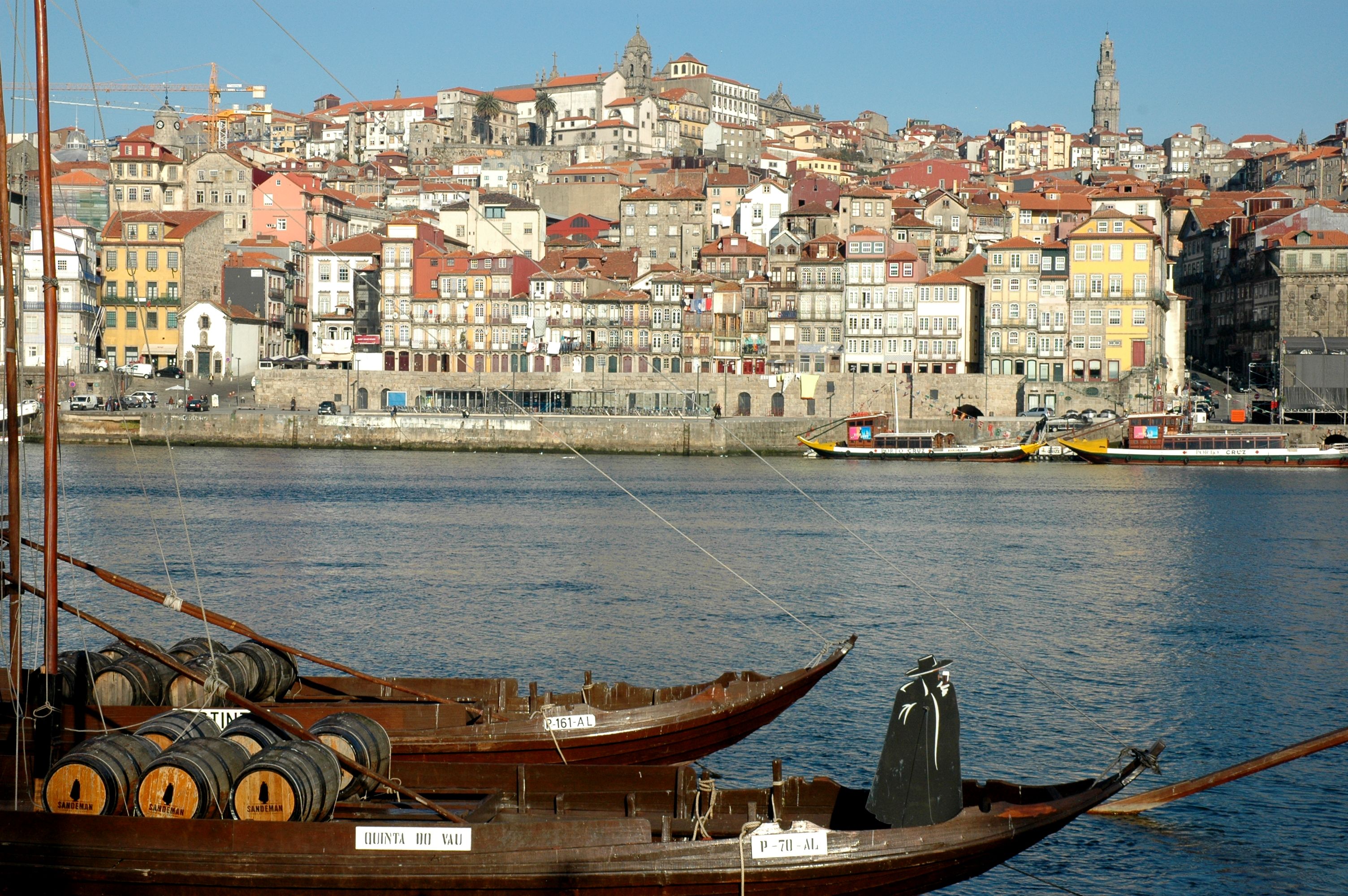
The Douro-side old town, a UNESCO site, with its colourful houses, terraces and the quay beneath the bridge.
What is the Ribeira and why it's worth your time
The Ribeira is Porto's historic riverside quarter overlooking the Douro, and has been a UNESCO World Heritage Site since 1996. It's the medieval heart of the city: cobblestone alleys, arcaded streets and those tall, narrow houses you see on every postcard. There's actually a curious reason for their shape — medieval taxes were calculated by façade width rather than height, so owners built upward to reduce their bill. The neighbourhood itself is freely accessible around the clock, no tickets or reservations needed to stroll Praça da Ribeira or the riverside promenade. What truly hooks you here is the atmosphere — best experienced at sunrise or at dusk.
Tickets, prices and opening hours (and how to skip the queues)
Strolling the neighbourhood is free, but three paid attractions are genuinely worth it. The Igreja de São Francisco costs €7.50 (25% discount with a Porto Card or student ID) and opens from 9:00 to 17:30/19:00/20:00 depending on the season. The Palácio da Bolsa is guided-tour only: €12 adult, €7.50 student/senior, free under-12s, open 9:00–18:30 (last entry 18:00). Important: the Bolsa does not accept online booking — buy your ticket at the door on the day, and in summer queues run 30–60 minutes, so arrive right at opening time. The Cathedral (Sé) has a free nave and a €3 cloister. If you plan to visit several attractions, the Porto Card Walker (€7.50/1 day, €12/2 days, €16/3 days, €18/4 days) gives free entry to 6 museums plus discounts at São Francisco and the Bolsa. Calendar warning: the Bolsa closes on 9–10 June and 30 September 2026.
How to get there and insider tips
The easiest option from the city centre or the airport is Metro Line D (Yellow) to São Bento station, roughly 635 m / 9 minutes downhill to the Ribeira. On foot from Aliados or the Torre dos Clérigos it's about 20 minutes along cobbled streets — Porto is a very walkable city. STCP buses 18 and 22 also stop nearby, and from the Infante stop right in the Ribeira you can board the historic tram (Linha 1) that runs along the Douro all the way to Foz (separate ANDANTE ticket required). Three practical warnings: wear comfortable shoes as the cobblestones and steep streets take their toll; watch out for pickpockets on Praça da Ribeira and on the tram; and the first-row riverside restaurants charge tourist prices — step one street back into the Barredo and prices drop considerably. One more thing: the Porto Card with transport no longer exists as of March 2026, so buy your ANDANTE tickets separately.
Frequently asked questions
Do you need to pay to visit the Ribeira?
How long does it take to see the Ribeira?
What's the best time to avoid the crowds?
Some links on this page are affiliate links: if you book through them, Andelaria may earn a commission at no extra cost to you. Transparency & affiliate policy
Book tickets and tours: RibeiraPlan your trip
Book the essentials for your trip to Porto.
Other places in Porto
Ponte Dom Luís I
puenteDouble-deck iron bridge from 1886 by a disciple of Eiffel; its upper deck is walkable with the city's finest view.
Caves de Vinho do Porto (Vila Nova de Gaia)
bodegasThe historic port-wine cellars across the river —Sandeman, Cálem, Graham's, Taylor's— with guided tours and tasting.
Livraria Lello
libreriaA 1906 neo-Gothic bookshop with its famous red staircase, one of the world's most beautiful; entry is deductible against a book purchase.
Torre dos Clérigos
monumentoA 75 m baroque bell tower designed by Nasoni; 240 steps lead to the best panorama over Porto's rooftops.
Estação de São Bento
estacionA railway station whose hall is clad in some 20,000 tiles depicting battles and historical scenes of Portugal.
Mercado do Bolhão
mercadoA two-storey municipal market, restored in 2022, with fresh-produce stalls, tinned fish, wines and tascas to eat at.
Festa de São João do Porto
fiestaThe Festa de São João do Porto — free and open to all — turns the night of 23–24 June into Portugal's most intense street party. At midnight, fireworks burst over the Douro (16 minutes in 2025) while the entire city takes to the streets with plastic hammers, sardines, and basil.
Super Bock Super Rock
fiestaSuper Bock Super Rock is a paid festival born in July 1995 and one of Portugal's longest-running. From 2010 it was held every July near Praia do Meco (Sesimbra). After 30 years, in 2026 it reinvents itself as a series of standalone concerts. Check dates and tickets on the official website.
São Martinho do Porto
fiestaSão Martinho is celebrated across Portugal on 11 November with the magusto: chestnuts roasted over fire and new wine. In Porto the festival is urban and free, with castanhas vendors along Santa Catarina and Bolhão, and neighbourhood magustos open to all in areas like Bonfim and Cedofeita.
Similar places in other cities
Alfama
LisboaLisbon's oldest quarter, a maze of lanes that survived the 1755 earthquake and the birthplace of fado.
Barrio de Santa Cruz
SevillaThe medieval Jewish quarter of whitewashed alleyways, flower-filled courtyards and squares shaded by orange trees. Nestled beside the Alcázar and the Cathedral, it is the romantic heart of Seville. Wandering streets like Agua or Vida, discovering the Hospital de los Venerables and sitting in the Plaza de Doña Elvira are experiences that capture the very soul of the city.
Calleja de las Flores
CórdobaThe most photographed alley in Córdoba, set within the medieval Judería. Its whitewashed façades covered in pots of geraniums and begonias form a natural frame through which the Mosque's bell tower appears in the distance. Together with the surrounding Judería neighbourhood, it is the finest surviving example of Andalusian urban planning.