Barrio de Santa Cruz
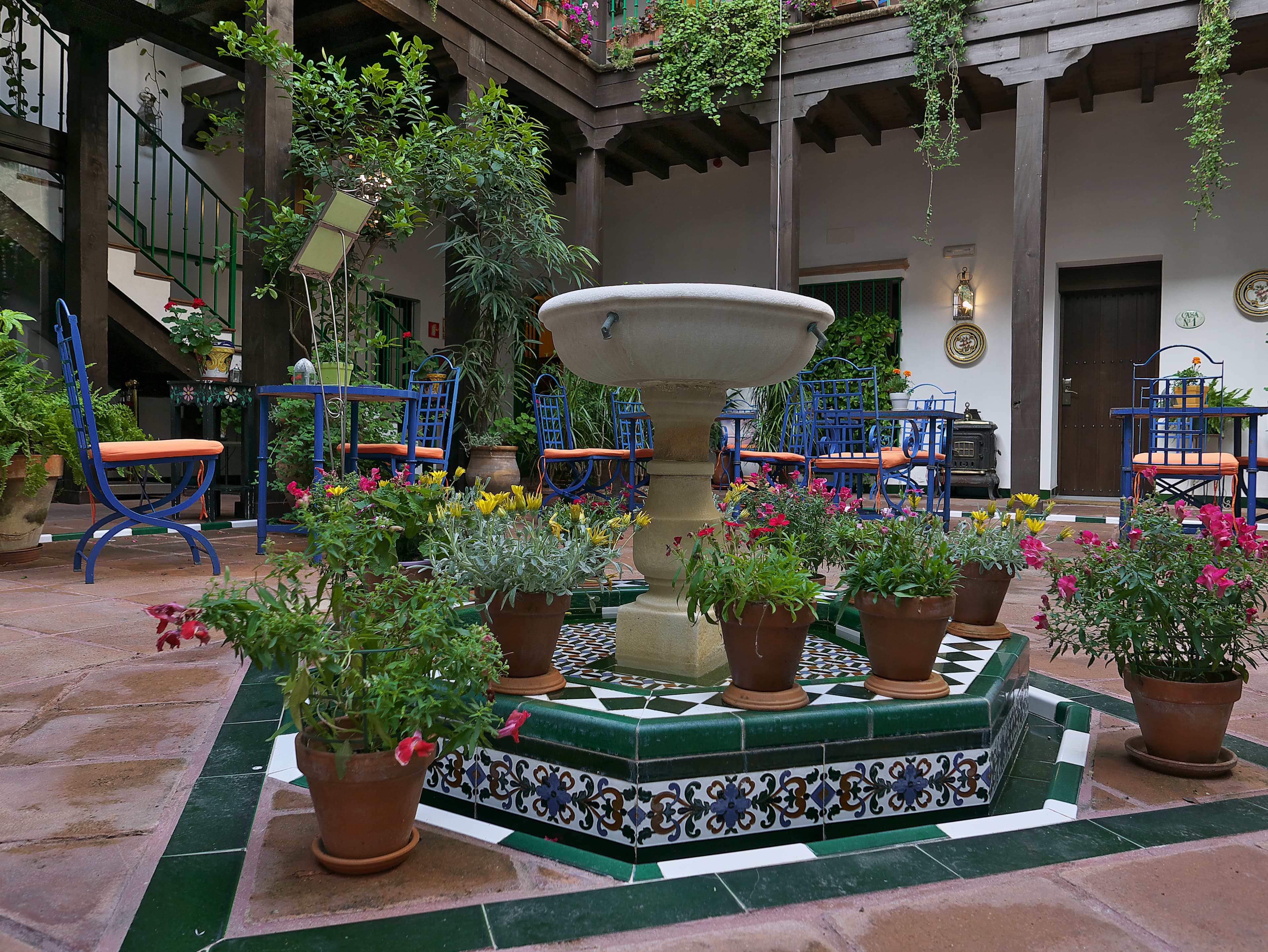
The medieval Jewish quarter of whitewashed alleyways, flower-filled courtyards and squares shaded by orange trees. Nestled beside the Alcázar and the Cathedral, it is the romantic heart of Seville. Wandering streets like Agua or Vida, discovering the Hospital de los Venerables and sitting in the Plaza de Doña Elvira are experiences that capture the very soul of the city.
The essentials
- Tickets
- Gratis
What it is and why it's truly worth it
The Barrio de Santa Cruz is Seville's former Jewish quarter — a labyrinth of narrow lanes, cobbled squares and whitewashed courtyards pressed up against the Cathedral and the Alcázar. One thing is worth knowing before you go: the "romantic" atmosphere you see on postcards is not medieval at all, but a deliberate reconstruction from the early 20th century (the 1912–1920 reform by the Marquis of la Vega Inclán and architect Juan Talavera), designed to project an image of "typical Andalusia" for tourism. The real judería, after the Christian conquest of 1248, was the second most important on the Iberian Peninsula, enclosed by walls locked every night, until the pogrom of 1391 and the expulsion of 1492. The painter Murillo lived and died here, and these streets were the haunt of Zorrilla's Don Juan Tenorio. Knowing this adds another layer to the walk: you are not searching for medieval authenticity, but enjoying a beautiful and carefully crafted stage set.
Tickets, opening hours and how to avoid queues
The neighbourhood itself is freely accessible 24 hours a day, 365 days a year — there is no ticket booth or entrance fee to walk its streets and squares. The only monument with a ticket office inside the quarter is the Hospital de los Venerables Sacerdotes: general admission 12 €, reduced 10 € (over 65s, students under 25, ages 13–18 and Seville residents), free for under-12s accompanied by an adult, and guided tours from 15 €. Open Monday to Saturday 10:00–19:00 and Sundays 10:00–15:00; on Mondays 15:00–19:00 there is free BIC admission, but only with prior online booking. To avoid crowds, go early in the morning (before 10:00) or late in the evening from 19:30–20:00 onwards: the light is beautiful and tour groups have already left. Midday (13:00–15:00) and mid-afternoon (16:00–18:00) are the worst times in high season.
How to get there and tips from someone who's been
From the Cathedral or the Giralda access is immediate — the quarter borders them directly, so the easiest approach is to walk from the city centre. By public transport, tram T1 (stop Puerta Jerez, about 8 minutes on foot) is the most convenient option from the centre; it runs 06:00–23:30 and a single ticket costs 1.40 €. TUSSAM circular buses C3 and C4 also serve the area, stopping at Paseo Cristóbal Colón / Dos de Mayo, about 3 minutes on foot. The metro has no useful stop in the historic centre — best ignored. Don't bring a car: the lanes are pedestrian-only and parking is saturated; park on the outskirts and come in by tram or bicycle (BiciSevilla). Set aside between one and a half and two hours for the walk, or 2.5–3 hours if you go inside the Hospital de los Venerables. If you want to add the Alcázar next door, book online well in advance at www.alcazarsevilla.org. And in summer bring water: at midday the whitewashed streets can exceed 38–40 °C.
Frequently asked questions
Do you have to pay to visit the Barrio de Santa Cruz?
How much time do I need to see the neighbourhood?
What is the best time to avoid crowds?
Some links on this page are affiliate links: if you book through them, Andelaria may earn a commission at no extra cost to you. Transparency & affiliate policy
Book tickets and tours: Barrio de Santa Cruz· GratisPlan your trip
Book the essentials for your trip to Sevilla.
Other places in Sevilla
Real Alcázar de Sevilla
alcazarThe oldest inhabited royal palace in Europe, a UNESCO World Heritage Site. Its Mudéjar architecture, the tiled Patio de las Doncellas and gardens of fountains and labyrinths make it Seville's essential visit. A filming location for Game of Thrones, it breathes Almohad and Christian history in equal measure.
Catedral de Sevilla y La Giralda
catedralThe largest Gothic cathedral in the world and the third-largest church by floor area, built on the site of the former Almohad mosque. La Giralda, its 97-metre bell tower, is Seville's undisputed symbol. Inside lies the tomb of Christopher Columbus. The ticket includes access to the tower, which has no steps — only ramps.
Plaza de España
plazaA monumental neo-Renaissance and neo-Moorish semicircle built for the 1929 Ibero-American Exposition in the Parque de María Luisa. Its 48 tiled benches represent every Spanish province. The central canal invites boat rides, and its bridges and north and south towers make for perfect photographs at sunrise.
Torre del Oro
torreA 13th-century Almohad watchtower on the banks of the Guadalquivir, one of Seville's great defensive symbols. Its name comes from the golden tiles that once covered it. It houses the Naval Museum, with historical maps and objects from the American expeditions. The view from Puente de Triana at sunset is breathtaking.
Metropol Parasol (Las Setas)
museoThe largest wooden structure in the world, designed by Jürgen Mayer H. and inaugurated in 2011 in the Plaza de la Encarnación. Its elevated walkways offer the best panoramic views of Seville. At ground level it houses the Antiquarium, with Roman and Arab archaeological remains from the 1st century. Not to be missed at sunset.
Semana Santa de Sevilla
fiestaSeville's Holy Week is free and open to all: you only pay for seats and grandstands along the Official Route. In 2026 it runs from 29 March to 5 April, with the eve celebrations on the 27th. Its peak is La Madrugá, when five major brotherhoods process from 1:00 a.m. until noon.
Feria de Abril de Sevilla
fiestaTwo weeks after Easter, Sevilla sets up its Real in Los Remedios: around 1,059 casetas (up to ~1,250 plots with the expansion), flamenco dresses, horses and sevillanas. Entry is free, but most are private and only accessible with an invitation from a member. Only around 14–16 are open to the public.
Velá de Santiago y Santa Ana
fiestaSeville's oldest festival, with more than 750 years of history, doesn't take place in the city centre — it happens in Triana. The Velá de Santa Ana falls in the last week of July, around the 26th: free casetas along the Guadalquivir, the cucaña grease-pole contest over the river, and not a flamenco dress or equestrian parade in sight.
Cabalgata de Reyes Magos de Sevilla
fiestaEvery January 5th, Seville's Cabalgata de Reyes Magos winds through the city centre with 33 floats and around 100,000 kg of sweets tossed from them. Organised by the Ateneo since 1918, it is one of the oldest in Spain. Entry is free and open to all; the parade lasts about six hours.
Similar places in other cities
Calleja de las Flores
CórdobaThe most photographed alley in Córdoba, set within the medieval Judería. Its whitewashed façades covered in pots of geraniums and begonias form a natural frame through which the Mosque's bell tower appears in the distance. Together with the surrounding Judería neighbourhood, it is the finest surviving example of Andalusian urban planning.
Judería de Córdoba
CórdobaCórdoba's medieval Jewish quarter, declared a World Heritage Site, is one of the best-preserved historic districts in Europe. Its narrow cobbled streets conceal the Synagogue of 1315 — one of only three surviving medieval synagogues in Spain — and the Casa de Sefarad. The maze of lanes between Calle Judíos and Plaza Maimónides is made for getting pleasantly lost.
El Albaicín y el Mirador de San Nicolás
GranadaFormer Moorish quarter of steep streets, a World Heritage Site since 1994, whose Mirador de San Nicolás offers the classic view of the Alhambra against Sierra Nevada.