Caves de Vinho do Porto (Vila Nova de Gaia)
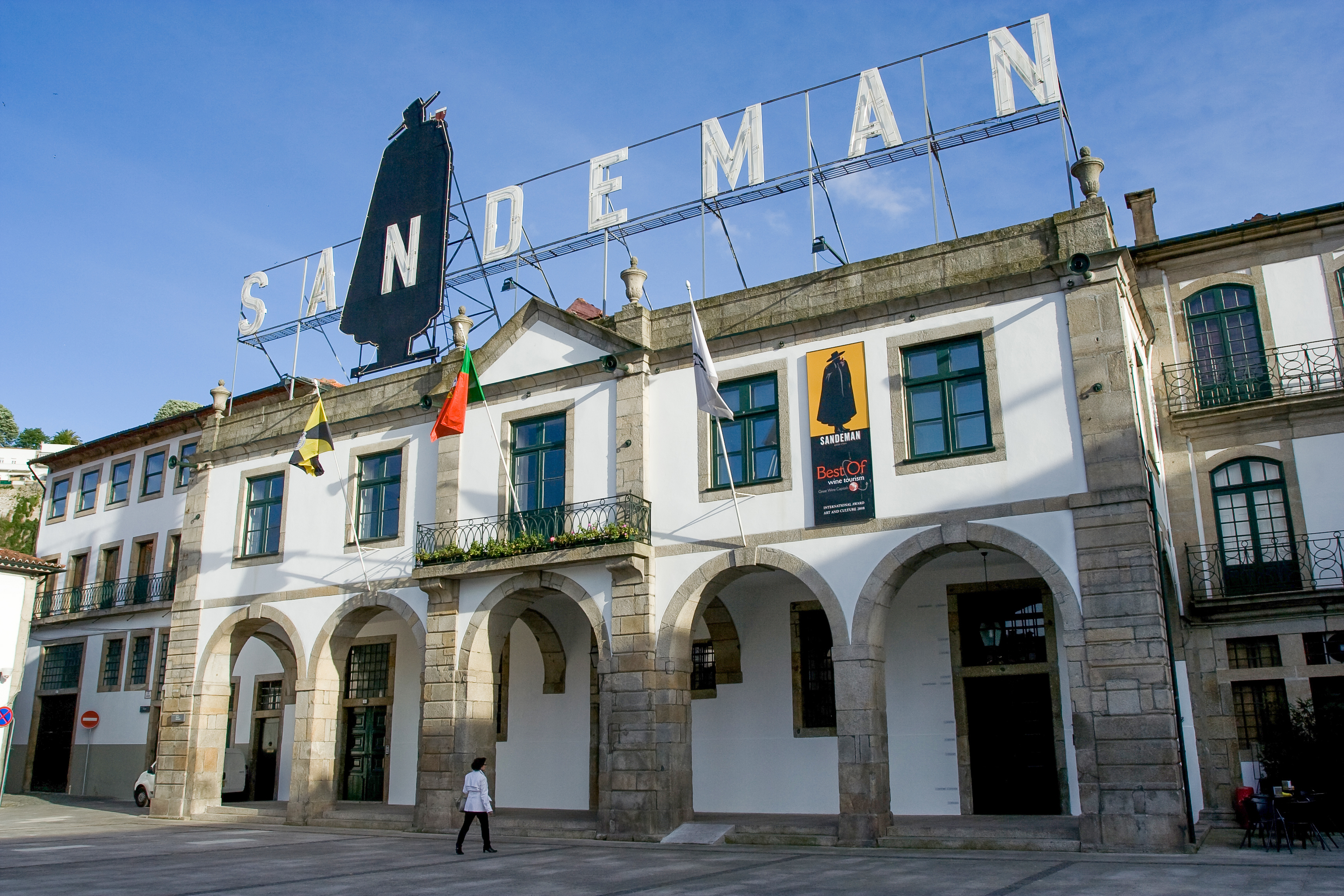
The historic port-wine cellars across the river —Sandeman, Cálem, Graham's, Taylor's— with guided tours and tasting.
The world's greatest concentration of Port wine cellars
On the south bank of the Douro, in Vila Nova de Gaia, more than 50 caves (wine lodges) line up facing Porto's historic centre. This is where Port wine ages in oak barrels before export — and history explains why: in the 13th century King Afonso III founded Gaia as an alternative port to avoid the Bishop of Porto's taxes, and in 1756 the Marquis of Pombal decreed that every barrel shipped downriver had to age here, creating the world's first controlled designation of origin. Camilo Castelo Branco called it 'the world's largest tavern' in the 19th century, and the label still holds. The most visited names — Calem, Sandeman, Ferreira, Graham's, Taylor's, Burmester, Ramos Pinto — are spread between the riverside Cais de Gaia and the hillside above.
Tickets, opening hours and how to beat the queues
The caves are not free: admission includes a guided tour plus tasting, typically ranging from €15 to €27 depending on the lodge and number of wines (Calem's classic visit starts with two wines; Porto Augusto offers a three-Port tasting in small groups). Options with chocolate or cheese pairing cost more. Always confirm the exact price on each cave's official website, as they vary by tour type. Most open 10:00–18:00 in low season (Nov–Apr) and extend to 19:00 or 20:00 in high season (May–Oct); note that some, like Ferreira or Burmester, close at midday, while Calem is one of the few that does not. All close on 25 December and 1 January. To avoid crowds, arrive at opening time (10:00–11:00) or after 16:00: riverside lodges fill up mid-morning, while the upper-hillside ones (Taylor's, Graham's) are quieter and more atmospheric. In 2026 almost none accept walk-ins, so book online; Graham's requires advance booking without exception.
Getting there and insider tips
The most popular way is on foot: cross the Luís I Bridge on the upper level from the Ribeira and you're in Gaia in 5–10 minutes, for free. If you prefer the metro, Line D (yellow) stops at Jardim do Morro, 2–3 stops from the city centre (São Bento/Aliados) for just over €1.50; check 2026 Andante fares. From that upper stop, the Gaia cable car descends 562 metres to the Cais in about 5 minutes — useful only if you're already at the top. There is no tram crossing the river to the caves. Plan 1.5–2 hours per lodge (guided tour of roughly 45 minutes, tasting and shop); a 2–3 cave route takes half a day. Use the in-house shops to buy bottles at cellar-door prices, almost always cheaper than tourist supermarkets. If you use a wheelchair, confirm accessibility beforehand: cobblestones and steps are the norm.
Frequently asked questions
Do you need to book in advance or can you just walk in?
How much time do I need to visit the caves?
What is the best time to avoid crowds?
Some links on this page are affiliate links: if you book through them, Andelaria may earn a commission at no extra cost to you. Transparency & affiliate policy
Book tickets and tours: Caves de Vinho do Porto (Vila Nova de Gaia)Plan your trip
Book the essentials for your trip to Porto.
Other places in Porto
Ribeira
barrioThe Douro-side old town, a UNESCO site, with its colourful houses, terraces and the quay beneath the bridge.
Ponte Dom Luís I
puenteDouble-deck iron bridge from 1886 by a disciple of Eiffel; its upper deck is walkable with the city's finest view.
Livraria Lello
libreriaA 1906 neo-Gothic bookshop with its famous red staircase, one of the world's most beautiful; entry is deductible against a book purchase.
Torre dos Clérigos
monumentoA 75 m baroque bell tower designed by Nasoni; 240 steps lead to the best panorama over Porto's rooftops.
Estação de São Bento
estacionA railway station whose hall is clad in some 20,000 tiles depicting battles and historical scenes of Portugal.
Mercado do Bolhão
mercadoA two-storey municipal market, restored in 2022, with fresh-produce stalls, tinned fish, wines and tascas to eat at.
Festa de São João do Porto
fiestaThe Festa de São João do Porto — free and open to all — turns the night of 23–24 June into Portugal's most intense street party. At midnight, fireworks burst over the Douro (16 minutes in 2025) while the entire city takes to the streets with plastic hammers, sardines, and basil.
Super Bock Super Rock
fiestaSuper Bock Super Rock is a paid festival born in July 1995 and one of Portugal's longest-running. From 2010 it was held every July near Praia do Meco (Sesimbra). After 30 years, in 2026 it reinvents itself as a series of standalone concerts. Check dates and tickets on the official website.
São Martinho do Porto
fiestaSão Martinho is celebrated across Portugal on 11 November with the magusto: chestnuts roasted over fire and new wine. In Porto the festival is urban and free, with castanhas vendors along Santa Catarina and Bolhão, and neighbourhood magustos open to all in areas like Bonfim and Cedofeita.