Festas de Lisboa
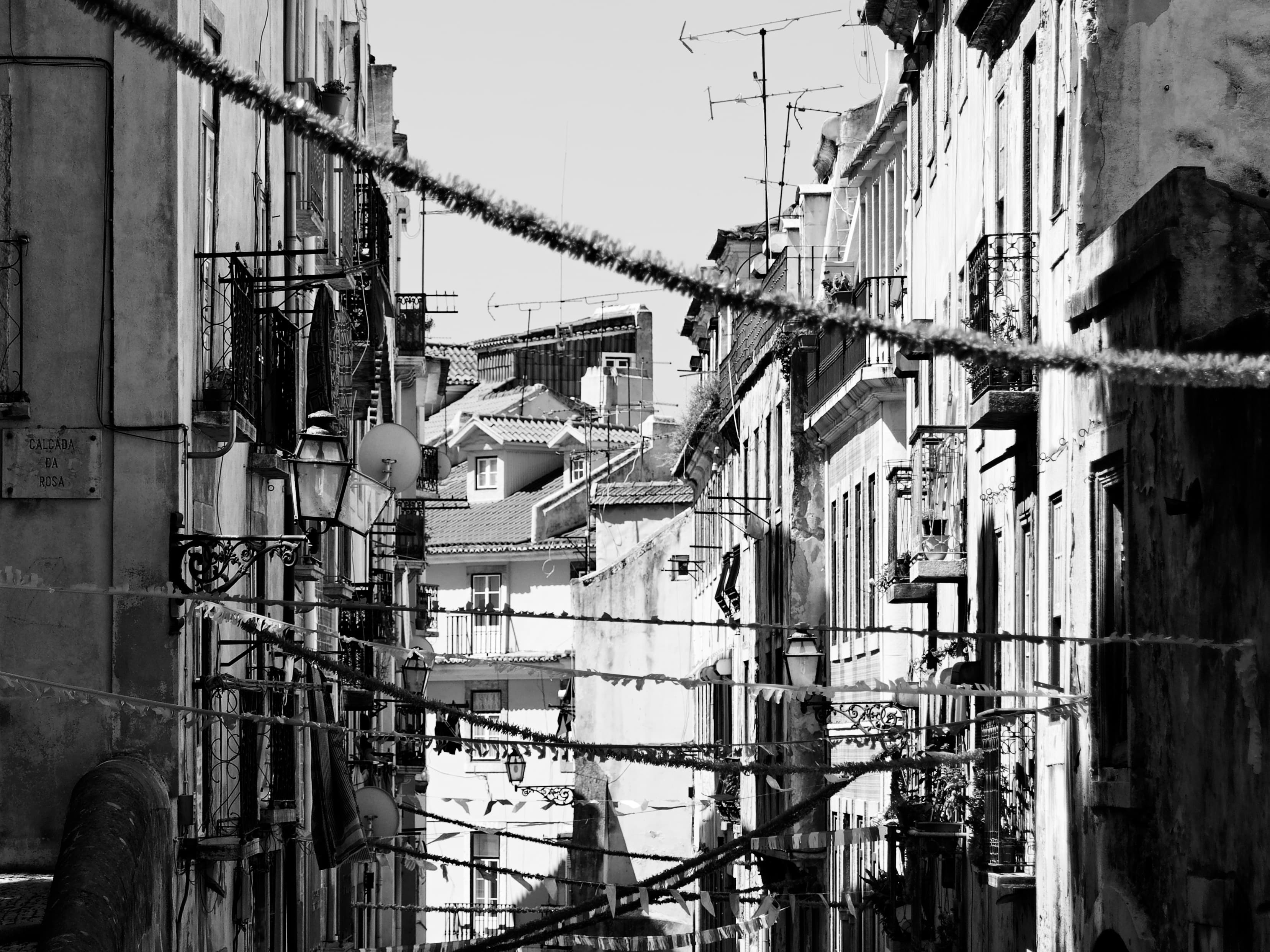
The Festas de Lisboa honour Santo António (who died on 13 June 1231) throughout the entire month of June, with the climax on the night of the 12th. Free and open to all: neighbourhood arraiais with grilled sardines, manjericos and the Marchas Populares along Avenida da Liberdade since 1932.
Eight centuries of devotion to Santo António
Santo António was born in Lisbon around 1195 (traditionally on 15 August) as Fernando de Bulhões and died in Padua on 13 June 1231. That date — his hagiographic dies natalis, his "birth into heaven" — anchors the entire festival in June, not May, even though he was canonised on 30 May 1232 by Gregory IX (the second fastest canonisation in Church history, surpassed only by Saint Peter of Verona). The neighbourhood arraiais trace their roots to the Middle Ages, intertwined with the summer solstice. But the modern, competitive format began on 12 June 1932, when filmmaker José Leitão de Barros organised the first Marchas Populares at the Capitólio in Parque Mayer; the three inaugural neighbourhoods were Campo de Ourique, Bairro Alto and Alto do Pina. By 1934, twelve neighbourhoods were parading before 300,000 people.
Marchas, arraiais and grilled sardines
The programme is organised by EGEAC with the City Council and runs throughout June. The headline event is the Marchas Populares: on the night of the 12th, around 21:00, some twenty neighbourhoods parade down Avenida da Liberdade with choreography, costumes and their own song. It is free, but the grandstands fill up hours before; if you would rather skip the scramble for a spot, enjoy the atmosphere directly at the arraiais. Each neighbourhood sets up its own — Largo de São Miguel in Alfama, Largo da Rosa in Mouraria, Miradouro de São Pedro de Alcântara — streets closed off with bandeirolas, communal tables and braziers on the pavement. Grilled sardines (€1.50–4 at every stall), whole and salted, on broa bread with peppers and vinho verde, are the signature dish. On the 13th at 17:00, the Procissão de Santo António winds through Alfama. Check the official EGEAC website for the programme and exact dates of each edition.
The night of the 12th: neighbourhood pride on parade
The night of the 12th to the 13th is the true Festa: the bairro is the festive unit and each one shows off with its arraial. Alfama is the photogenic epicentre, with its cobbled alleyways, fado and sardines everywhere; Mouraria adds kizomba, hip-hop and music from the Angolan, Cape Verdean and Brazilian communities; Santos draws a younger crowd with beer and a less touristy vibe. The soundtrack ranges from fado to música pimba (Quim Barreiros, Toy) and marching bands. The manjerico — basil in a terracotta pot with a handwritten quadra of verses — is the lovers' gift (€3–5); water it by placing the dish beneath the pot, never on top of the plant, which is very delicate. A note: decorating with herbs and bunting is popular custom, not an official "contest"; and the Noite Branca is a separate event in September, not June.
Best areas, late-night metro and pickpockets
On the night of the 12th to the 13th, the Metro runs until 03:00 on all four lines, with six-carriage trains every ~12 minutes; the last train departs at that time from each terminal. For Alfama and Mouraria, alight at Martim Moniz or Santa Apolónia; for Santos and Bica, at Cais do Sodré; for Baixa, at Baixa-Chiado. Note: Avenida station (Blue Line) closes at 19:30 for security reasons, though the underground pedestrian passage stays open. The main risk is not the noise or the heat (June averages 25 °C by day and 16 °C at night — bring a light layer), but pickpockets: Alfama has the city's highest concentration and tram 28E is the most targeted route — use bus 737 as an alternative. Wear a money belt or carry your bag in front, keep nothing in back pockets and stay alert in narrow alleyways.
Frequently asked questions
When do the Festas de Lisboa take place and is there an entry fee?
Which neighbourhood is best for experiencing the arraiais?
Does the metro run late during the festival?
What is a manjerico and why is it given as a gift?
Some links on this page are affiliate links: if you book through them, Andelaria may earn a commission at no extra cost to you. Transparency & affiliate policy
Book tickets and tours: Festas de LisboaPlan your trip
Book the essentials for your trip to Lisboa.
Other places in Lisboa
Torre de Belém
monumento16th-century Manueline fortified tower on the Tagus, a UNESCO World Heritage site and symbol of the Age of Discoveries.
Mosteiro dos Jerónimos
monumentoManueline-Gothic masterpiece in Belém, a UNESCO site, home to the cloister and the tomb of Vasco da Gama.
Castelo de São Jorge
monumentoMedieval castle atop the Alfama hill, with ramparts, peacocks and the finest panorama over the city and river.
Alfama
barrioLisbon's oldest quarter, a maze of lanes that survived the 1755 earthquake and the birthplace of fado.
Praça do Comércio
plazaThe grand riverside square of the Baixa, opening onto the Tagus beneath the Arco da Rua Augusta and the equestrian statue of King José I.
Time Out Market (Mercado da Ribeira)
mercadoThe former Cais do Sodré market turned food hall with stalls from renowned chefs and Lisbon cooking.
Miradouro da Senhora do Monte
miradorLisbon's highest viewpoint, in Graça, with a 180º view over the castle, Baixa and Tagus, perfect at sunset.
Festas de Santo Antonio de Lisboa
fiestaThe Festas de Santo António are Lisbon's biggest celebration: free and open throughout June, with the main night falling on the 12th to 13th. Neighbourhood arraiais with sardinha assada, the Marchas Populares along Avenida da Liberdade (each bairro competes) and the collective Casamentos de Santo António at the Sé. Over 40 events, nearly all at no cost.
NOS Alive
fiestaNOS Alive is one of Portugal's biggest music festivals. A ticketed event (day passes or full festival passes), it takes place every July at the Passeio Marítimo de Algés (Oeiras), on the banks of the Tagus river just a few minutes by train from central Lisbon. Rock, indie, pop and electronic music since 2007.
Similar places in other cities
Festas de Sao Pedro de Sintra
SintraThe Festas de São Pedro de Sintra are the town's biggest local celebration, free to attend and held around 28–29 June in honour of São Pedro, patron of the freguesia of São Pedro de Penaferrim. At its heart is the Feira de São Pedro, one of Portugal's oldest traditional fairs, with arraial, sardinha assada and a religious procession.
Festival das Noites de Sintra
SintraThe Sintra Festival is Portugal's oldest music festival: born in 1957 as the Jornadas Musicais de Sintra, it fills the UNESCO-listed palaces and churches of Sintra with classical music every June. It is a ticketed event, with entries available through Ticketline, plus a handful of free concerts with limited capacity. Check dates and the full programme on the official website.
Feira do Artesanato de Sintra
SintraThe Feira de Artesanato de Sintra is a free municipal craft fair that the Câmara de Sintra organises in August in the Jardim da Correnteza, next to the Vila Velha. It brings together artisans from the concelho with handmade pieces: ceramics, cork and embroidery. Free entry, open morning to afternoon. Check dates and the programme on the official website.