Festas de Santo Antonio de Lisboa
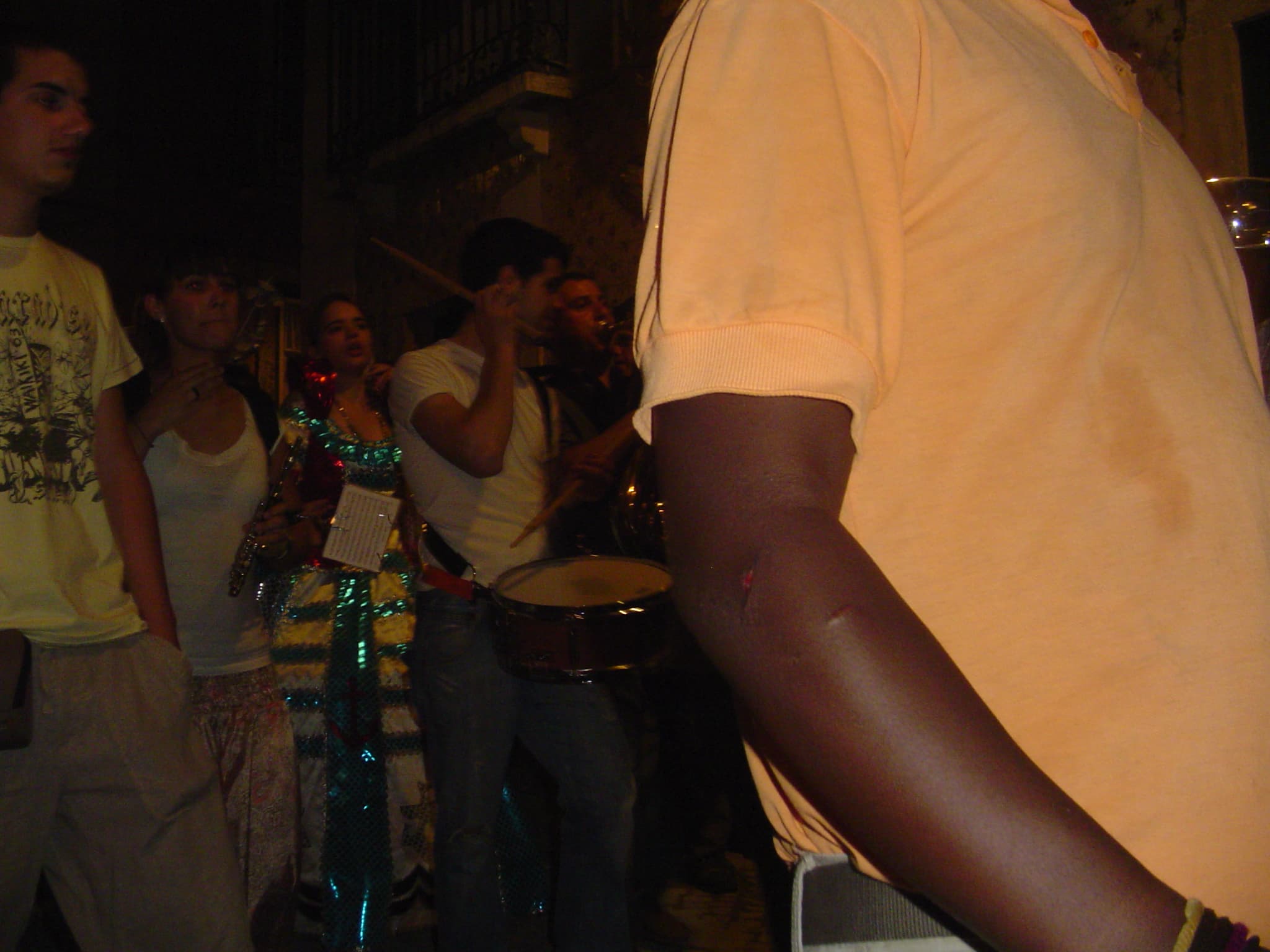
The Festas de Santo António are Lisbon's biggest celebration: free and open throughout June, with the main night falling on the 12th to 13th. Neighbourhood arraiais with sardinha assada, the Marchas Populares along Avenida da Liberdade (each bairro competes) and the collective Casamentos de Santo António at the Sé. Over 40 events, nearly all at no cost.
What they are and where they come from
The Festas de Santo António (also called Festas de Lisboa or Santos Populares) fill the entire month of June and honour the city's patron saint, Santo António, the santo casamenteiro — the matchmaking saint. According to tradition he was born in Lisbon on 15 August 1195 (an undocumented date) and died on 13 June 1231 in Padua, which is why that is his feast day. The main night is the 12th to 13th of June. The festivities blend pagan solstice rites with medieval devotion, but their modern hallmarks took shape in the 20th century: the Marchas Populares (1932) and the Casamentos de Santo António (1958), collective weddings now organised by the City Council. In 2026, 16 couples marry on 12 June: a civil ceremony at the Câmara Municipal and a religious one at the Sé, broadcast nationwide. Practical tip: do not expect a single grand ceremony open to the public — it is an institutional event with limited capacity; you will get a far better view on television than crushed against the cathedral doors.
How the city lives the festival
The heart of the celebration is the arraiais: street parties in the neighbourhoods of Alfama, Mouraria, Graça, Bica, Madragoa and Castelo, with communal grills, bunting, fado and folk music. Entry is free; you only pay for food and drink. The undisputed star is sardinha assada served on thick bread (around €1–1.50 each), alongside caldo verde, bifanas, grilled chouriço, beer, vinho verde and ginjinha. Everywhere you look you will find manjericos — pots of basil with a quadra (a short verse) and a paper carnation; resist smelling the plant directly: rub a leaf between your fingers and smell your hand instead. The showpiece event is the Marchas Populares on 12 June (21:00), when 20 bairros parade in competition along Avenida da Liberdade. Practical tip: a large share of the sardines are frozen, and on the first nights the crowd is 90% tourists; for an authentic feel, seek out neighbourhood arraiais on weekday evenings rather than the terraces closest to the city centre.
Dates, public holiday and programme
The Festas run throughout June (in 2026, from the 1st to the 30th), but everything revolves around the night of the 12th to the 13th. There is a nuance that trips up many visitors: 13 June, Dia de Santo António, is a MUNICIPAL holiday in Lisbon, not a national one. In the capital (and in other municipalities that share the same patron, such as Cascais) many shops and services close or cut their hours; elsewhere in Portugal it is a normal working day. It is also a discretionary holiday, meaning not every employer grants workers the day off. The programme is published each year by EGEAC – Lisboa Cultura, the official organiser alongside the City Council, and includes over 40 events: arraiais, the Marchas, concerts at the Castelo and a closing fireworks display in Belém. Practical tip: never assume a fixed lineup or specific timetables — they change every edition, and in 2025 strikes disrupted transport. Always check visitlisboa.com, egeac.pt or cm-lisboa.pt before finalising your plans.
Practical tips
The metro runs from 06:30 to 01:00, but in normal years (2023, 2024) it extended service until 03:00 on the Blue and Green lines on the night of Santo António. A word of caution: in 2025 a strike shut the metro at 20:00 and Carris buses ran a skeleton service, so confirm that year's arrangements before you rely on either. CP trains (Sintra, Cascais lines) and Tagus ferries are reliable alternatives for late-night travel. Avenida da Liberdade closes to traffic from 18:00 on the 12th; scooters and bikes are banned in the area from 14:00. For the Marchas, free standing spots on the avenue are available if you arrive before 20:00, or you can book paid grandstand seats (€15–40); the parade is also broadcast live on RTP1. Practical tip: Alfama becomes shoulder-to-shoulder from 22:00 onwards — arrive before 21:00 or head to Madragoa, which stays calmer. Crowds are prime pickpocket territory: keep your wallet and phone in a zipped front pocket, and avoid tram 28E altogether that night.
Frequently asked questions
Are the Festas de Santo António free?
When is the main night?
Is 13 June a public holiday across Portugal?
Where is the best place to watch the Marchas Populares?
Some links on this page are affiliate links: if you book through them, Andelaria may earn a commission at no extra cost to you. Transparency & affiliate policy
Book tickets and tours: Festas de Santo Antonio de LisboaPlan your trip
Book the essentials for your trip to Lisboa.
Other places in Lisboa
Torre de Belém
monumento16th-century Manueline fortified tower on the Tagus, a UNESCO World Heritage site and symbol of the Age of Discoveries.
Mosteiro dos Jerónimos
monumentoManueline-Gothic masterpiece in Belém, a UNESCO site, home to the cloister and the tomb of Vasco da Gama.
Castelo de São Jorge
monumentoMedieval castle atop the Alfama hill, with ramparts, peacocks and the finest panorama over the city and river.
Alfama
barrioLisbon's oldest quarter, a maze of lanes that survived the 1755 earthquake and the birthplace of fado.
Praça do Comércio
plazaThe grand riverside square of the Baixa, opening onto the Tagus beneath the Arco da Rua Augusta and the equestrian statue of King José I.
Time Out Market (Mercado da Ribeira)
mercadoThe former Cais do Sodré market turned food hall with stalls from renowned chefs and Lisbon cooking.
Miradouro da Senhora do Monte
miradorLisbon's highest viewpoint, in Graça, with a 180º view over the castle, Baixa and Tagus, perfect at sunset.
Festas de Lisboa
fiestaThe Festas de Lisboa honour Santo António (who died on 13 June 1231) throughout the entire month of June, with the climax on the night of the 12th. Free and open to all: neighbourhood arraiais with grilled sardines, manjericos and the Marchas Populares along Avenida da Liberdade since 1932.
NOS Alive
fiestaNOS Alive is one of Portugal's biggest music festivals. A ticketed event (day passes or full festival passes), it takes place every July at the Passeio Marítimo de Algés (Oeiras), on the banks of the Tagus river just a few minutes by train from central Lisbon. Rock, indie, pop and electronic music since 2007.
Natal em Lisboa
fiestaChristmas transforms Lisbon into one of Europe's grandest light spectacles: around 182 km of LED lights across 46 points in the Baixa and Chiado, switched on from late November through 6 January. Markets, an ice rink and New Year's Eve fireworks over the Tagus — all free and outdoors.
Similar places in other cities
Festas de Sao Pedro de Sintra
SintraThe Festas de São Pedro de Sintra are the town's biggest local celebration, free to attend and held around 28–29 June in honour of São Pedro, patron of the freguesia of São Pedro de Penaferrim. At its heart is the Feira de São Pedro, one of Portugal's oldest traditional fairs, with arraial, sardinha assada and a religious procession.
Festival das Noites de Sintra
SintraThe Sintra Festival is Portugal's oldest music festival: born in 1957 as the Jornadas Musicais de Sintra, it fills the UNESCO-listed palaces and churches of Sintra with classical music every June. It is a ticketed event, with entries available through Ticketline, plus a handful of free concerts with limited capacity. Check dates and the full programme on the official website.
Feira do Artesanato de Sintra
SintraThe Feira de Artesanato de Sintra is a free municipal craft fair that the Câmara de Sintra organises in August in the Jardim da Correnteza, next to the Vila Velha. It brings together artisans from the concelho with handmade pieces: ceramics, cork and embroidery. Free entry, open morning to afternoon. Check dates and the programme on the official website.