Festas de Sao Pedro de Sintra
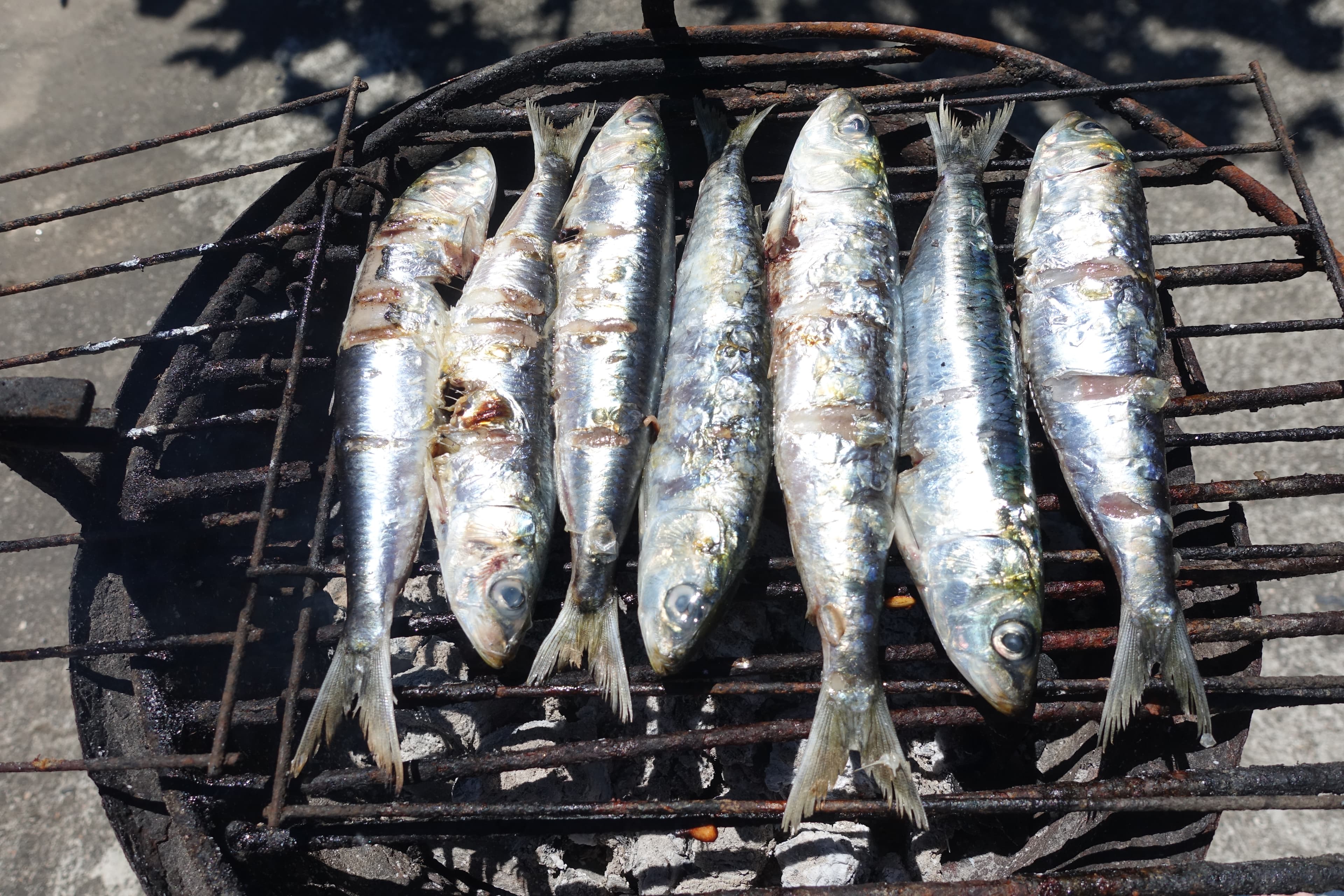
The Festas de São Pedro de Sintra are the town's biggest local celebration, free to attend and held around 28–29 June in honour of São Pedro, patron of the freguesia of São Pedro de Penaferrim. At its heart is the Feira de São Pedro, one of Portugal's oldest traditional fairs, with arraial, sardinha assada and a religious procession.
What they are and where they come from
Forget the palaces — this is the real local festival of Sintra. The Festas de São Pedro honour the Apostle Saint Peter, patron of the municipality and of the historic freguesia of São Pedro de Penaferrim, and are held around 29 June, his liturgical feast day and a municipal public holiday in Sintra. The setting is Largo D. Fernando II, in the historic centre of São Pedro, not in the tourist Vila. Devotion to São Pedro dates back to the 12th century, when Afonso Henriques ordered a chapel built beside the Castelo dos Mouros. The fair came later: Queen Maria I authorised an annual feira franca in 1781, fixed to 29 June, now regarded as one of the oldest traditional fairs in Portugal. The festival has two inseparable souls: the religious one (mass and procession of São Pedro) and the popular one (the fair and the arraial). Free entry, no tickets needed.
How it unfolds: feira, arraial and procession
The centrepiece is the Feira de São Pedro. In the past it was a livestock market (cattle, oxen, pigs, horses) alongside saloio produce; today it blends antiques, ceramics, basketry, clothing, tools and regional food: pão saloio, leitão de Negrais, cheeses and cured meats. It is a fair for bargaining and rummaging, not a polished souvenir market. Alongside it, Largo D. Fernando II becomes Sintra's biggest arraial: tasquinhas serving Santos Populares-style petiscos, traditional sweets and, the undisputed star, sardinha assada grilled over charcoal. At night there are popular Portuguese music concerts, marchas populares (including the Marcha de Cabriz) and brass bands. On the 29th, the religious side takes to the streets with a solemn mass at the Igreja de São Pedro and a procession accompanied by the Banda Filarmónica «Os Aliados». Honest warning: the sardines fill the air with smoke and the late-night arraial gets loud well into the small hours — if you are sleeping nearby, do not expect quiet.
Dates and price
São Pedro falls on 29 June, and that is the main day, with the eve of the 28th also very lively. Exact dates shift each year around that central date: the 2024 edition ran from 20 to 30 June and the 2025 edition from 19 to 29 June, so do not treat any given window as fixed. The entire festival is free and open access: the feira, the arraial, the concerts and the procession all cost nothing. Be careful not to confuse the main festival with the fortnightly Feira de São Pedro: that market takes place on the second and fourth Sunday of every month at the same Largo D. Fernando II, but the patronal celebration with arraial and procession only happens in late June. The detailed programme (artists, mass and procession times, exact days) is published each year in early June. Critical tip: procession timing changes by edition (in 2024 it was held in the afternoon; in 2025, mid-morning), so always check the updated programme on cm-sintra.pt or visitsintra.travel before you go — do not rely on times from previous years.
Practical advice
Take the train and leave the car behind. The CP Lisboa–Sintra line departs from Rossio (about 40 min) or Oriente (about 47 min), with a single ticket costing between €2.30 and €2.55 loaded onto a Navegante card; there is no return ticket — you buy two singles. The festival takes place in São Pedro de Penaferrim, not next to the station: it is roughly 17–21 minutes uphill on foot, or you can take the Scotturb 434 bus. Parking in Sintra is a nightmare, and the historic centre (which includes São Pedro) trialled a conditional-access traffic scheme in March 2026; it has not been confirmed whether this will continue in June, so check cm-sintra.pt before travelling. If you do drive, use the free peripheral car parks (Lourel, Portela) and walk or take the 434 into town. June is peak season: expect crowds, queues and stretched services. Bring water and comfortable shoes, but also a layer for the evening — Sintra is noticeably cooler and windier than Lisbon due to the serra, especially after dark.
Frequently asked questions
When are the Festas de São Pedro de Sintra held?
Is there an entry fee?
How do I get there from Lisbon?
Is this the same as visiting the palaces of Sintra?
Some links on this page are affiliate links: if you book through them, Andelaria may earn a commission at no extra cost to you. Transparency & affiliate policy
Book tickets and tours: Festas de Sao Pedro de SintraPlan your trip
Book the essentials for your trip to Sintra.
Other places in Sintra
Palácio Nacional da Pena
palacioA Romantic palace commissioned by King Fernando II and completed around 1854 on a hilltop in the Serra de Sintra.
Castelo dos Mouros
castilloA castle built by the Moors between the 8th and 9th centuries, conquered by Afonso Henriques in 1147 following the capture of Lisboa.
Quinta da Regaleira
jardinAn early-twentieth-century estate belonging to Carvalho Monteiro, designed by architect Luigi Manini and famous for its spiral initiatic well some 27 metres deep.
Palácio Nacional de Sintra
palacioA former royal residence, recognisable by its two enormous conical chimneys of around 33 metres that rise above the medieval kitchens.
Palácio de Monserrate
palacioA Romantic palace built between 1858 and 1864 for the wealthy Francis Cook, blending Gothic, Indian and Moorish styles.
Festival das Noites de Sintra
fiestaThe Sintra Festival is Portugal's oldest music festival: born in 1957 as the Jornadas Musicais de Sintra, it fills the UNESCO-listed palaces and churches of Sintra with classical music every June. It is a ticketed event, with entries available through Ticketline, plus a handful of free concerts with limited capacity. Check dates and the full programme on the official website.
Feira do Artesanato de Sintra
fiestaThe Feira de Artesanato de Sintra is a free municipal craft fair that the Câmara de Sintra organises in August in the Jardim da Correnteza, next to the Vila Velha. It brings together artisans from the concelho with handmade pieces: ceramics, cork and embroidery. Free entry, open morning to afternoon. Check dates and the programme on the official website.
Natal em Sintra
fiestaEvery December, the Terreiro next to the Palácio Nacional de Sintra fills with craft stalls, roasted chestnuts and LED lights as part of the "Sintra Mágica" programme. The Christmas market is free to enter, and the historic vila is at its least crowded time of year — visitor numbers drop 60–70% compared to summer.
Similar places in other cities
Festas de Santo Antonio de Lisboa
LisboaThe Festas de Santo António are Lisbon's biggest celebration: free and open throughout June, with the main night falling on the 12th to 13th. Neighbourhood arraiais with sardinha assada, the Marchas Populares along Avenida da Liberdade (each bairro competes) and the collective Casamentos de Santo António at the Sé. Over 40 events, nearly all at no cost.
Festas de Lisboa
LisboaThe Festas de Lisboa honour Santo António (who died on 13 June 1231) throughout the entire month of June, with the climax on the night of the 12th. Free and open to all: neighbourhood arraiais with grilled sardines, manjericos and the Marchas Populares along Avenida da Liberdade since 1932.
NOS Alive
LisboaNOS Alive is one of Portugal's biggest music festivals. A ticketed event (day passes or full festival passes), it takes place every July at the Passeio Marítimo de Algés (Oeiras), on the banks of the Tagus river just a few minutes by train from central Lisbon. Rock, indie, pop and electronic music since 2007.