São Martinho do Porto
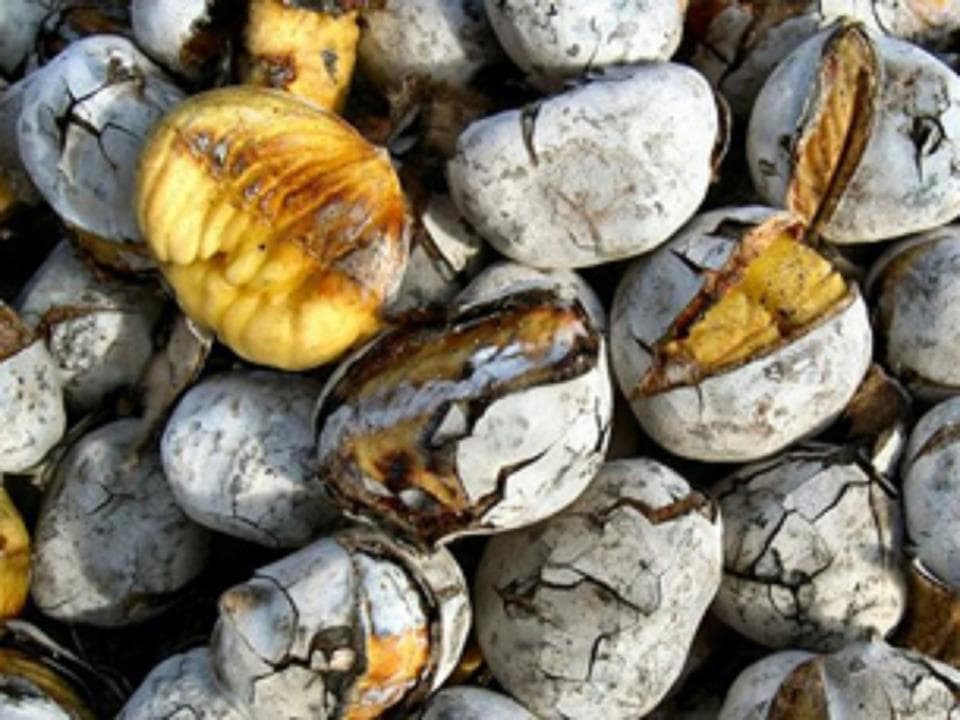
São Martinho is celebrated across Portugal on 11 November with the magusto: chestnuts roasted over fire and new wine. In Porto the festival is urban and free, with castanhas vendors along Santa Catarina and Bolhão, and neighbourhood magustos open to all in areas like Bonfim and Cedofeita.
What is São Martinho
On 11 November, Portugal celebrates São Martinho, the feast of Martinho de Tours — a Roman soldier born around 316 in present-day Hungary and later Bishop of Tours. Legend has it that he cut his cloak in two to shelter a beggar. The date comes from his burial in Tours in 397 AD, not from the 1582 calendar reform (a popular explanation worth taking with a pinch of salt). What truly defines the day is the magusto: gathering around a fogueira to roast castanhas and taste the vinho novo, the first wine of the harvest. The saying puts it simply: "No dia de São Martinho, come-se castanhas e bebe-se vinho." The tradition runs deepest in the north and centre, chestnut and vineyard country; in the south the celebration leans more gastronomic than fire-centred.
How Porto celebrates it
Porto's magusto is urban, not rural: instead of fogueiras in the countryside, the city fills with street vendors selling charcoal-roasted castanhas, especially around Rua Santa Catarina, the Mercado do Bolhão, and the corners of Ribeira. The sweet woodsmoke of chestnuts is the unmistakable sign that São Martinho has arrived. Historic taverns in the centre uncork the vinho novo on the day itself, and in some neighbourhoods the tradition of pub-crawling while singing still lives on. The celebration spreads between neighbourhood events and restaurants putting out seasonal menus. A practical note: this is a street festival in November, so dress warmly and expect possible rain; the "Verão de São Martinho" (sunny days around the 11th) is a real phenomenon but not guaranteed every year, so don't count on it.
Where to experience the magusto in Porto
For something authentic and free, head to the community neighbourhood magustos. In Bonfim, the União de Freguesias do Centro Histórico organises one in Parque das Camélias — though it's geared towards senior residents (over 60) with prior registration, so it's not really for tourists. More open to all is the community magusto of Guindalense FC, on Escada dos Guindais, with chestnuts, traditional music and free entry. In Cedofeita, Coração Alecrim puts on a magusto with an alternative vibe — chestnuts and mulled wine. For a sit-down meal, restaurants in Ribeira such as O Barrica serve a São Martinho menu (mushrooms, cured meats, game, chestnut dessert). Dates and programmes change each year: check agenda-porto.pt and agendaculturalporto.org from October onwards for the latest lineup.
Practical tips: what to eat and drink
The star of the show is castanhas assadas, bought hot from street vendors for a few euros a cone — peel them carefully to avoid burning your fingers. For drinks, there are three traditional options. Vinho novo, the freshly made wine, is the easiest to find in taverns and wine bars like Prova or Wine Quay Bar. Jeropiga is a sweet fortified drink (grape must cut with aguardente, 16–20% alcohol) sold bottled in wine shops and Porto supermarkets in November. Água-pé (water run through grape pomace, light at 3–8% and slightly rosé) is the hardest to track down: it's a homemade harvest drink rarely seen in tourist restaurants — look for it at neighbourhood associations or rural producers. One tip: go easy on the jeropiga; its sweetness is deceptively potent.
Frequently asked questions
When and where is São Martinho celebrated in Porto?
Is it free to join the magusto?
What are água-pé and jeropiga?
Why are chestnuts eaten on São Martinho?
Some links on this page are affiliate links: if you book through them, Andelaria may earn a commission at no extra cost to you. Transparency & affiliate policy
Book tickets and tours: São Martinho do PortoPlan your trip
Book the essentials for your trip to Porto.
Other places in Porto
Ribeira
barrioThe Douro-side old town, a UNESCO site, with its colourful houses, terraces and the quay beneath the bridge.
Ponte Dom Luís I
puenteDouble-deck iron bridge from 1886 by a disciple of Eiffel; its upper deck is walkable with the city's finest view.
Caves de Vinho do Porto (Vila Nova de Gaia)
bodegasThe historic port-wine cellars across the river —Sandeman, Cálem, Graham's, Taylor's— with guided tours and tasting.
Livraria Lello
libreriaA 1906 neo-Gothic bookshop with its famous red staircase, one of the world's most beautiful; entry is deductible against a book purchase.
Torre dos Clérigos
monumentoA 75 m baroque bell tower designed by Nasoni; 240 steps lead to the best panorama over Porto's rooftops.
Estação de São Bento
estacionA railway station whose hall is clad in some 20,000 tiles depicting battles and historical scenes of Portugal.
Mercado do Bolhão
mercadoA two-storey municipal market, restored in 2022, with fresh-produce stalls, tinned fish, wines and tascas to eat at.
Festa de São João do Porto
fiestaThe Festa de São João do Porto — free and open to all — turns the night of 23–24 June into Portugal's most intense street party. At midnight, fireworks burst over the Douro (16 minutes in 2025) while the entire city takes to the streets with plastic hammers, sardines, and basil.
Super Bock Super Rock
fiestaSuper Bock Super Rock is a paid festival born in July 1995 and one of Portugal's longest-running. From 2010 it was held every July near Praia do Meco (Sesimbra). After 30 years, in 2026 it reinvents itself as a series of standalone concerts. Check dates and tickets on the official website.
Similar places in other cities
Festas de Sao Pedro de Sintra
SintraThe Festas de São Pedro de Sintra are the town's biggest local celebration, free to attend and held around 28–29 June in honour of São Pedro, patron of the freguesia of São Pedro de Penaferrim. At its heart is the Feira de São Pedro, one of Portugal's oldest traditional fairs, with arraial, sardinha assada and a religious procession.
Festival das Noites de Sintra
SintraThe Sintra Festival is Portugal's oldest music festival: born in 1957 as the Jornadas Musicais de Sintra, it fills the UNESCO-listed palaces and churches of Sintra with classical music every June. It is a ticketed event, with entries available through Ticketline, plus a handful of free concerts with limited capacity. Check dates and the full programme on the official website.
Feira do Artesanato de Sintra
SintraThe Feira de Artesanato de Sintra is a free municipal craft fair that the Câmara de Sintra organises in August in the Jardim da Correnteza, next to the Vila Velha. It brings together artisans from the concelho with handmade pieces: ceramics, cork and embroidery. Free entry, open morning to afternoon. Check dates and the programme on the official website.