Ferias y Fiestas de San Juan y San Pedro de Segovia
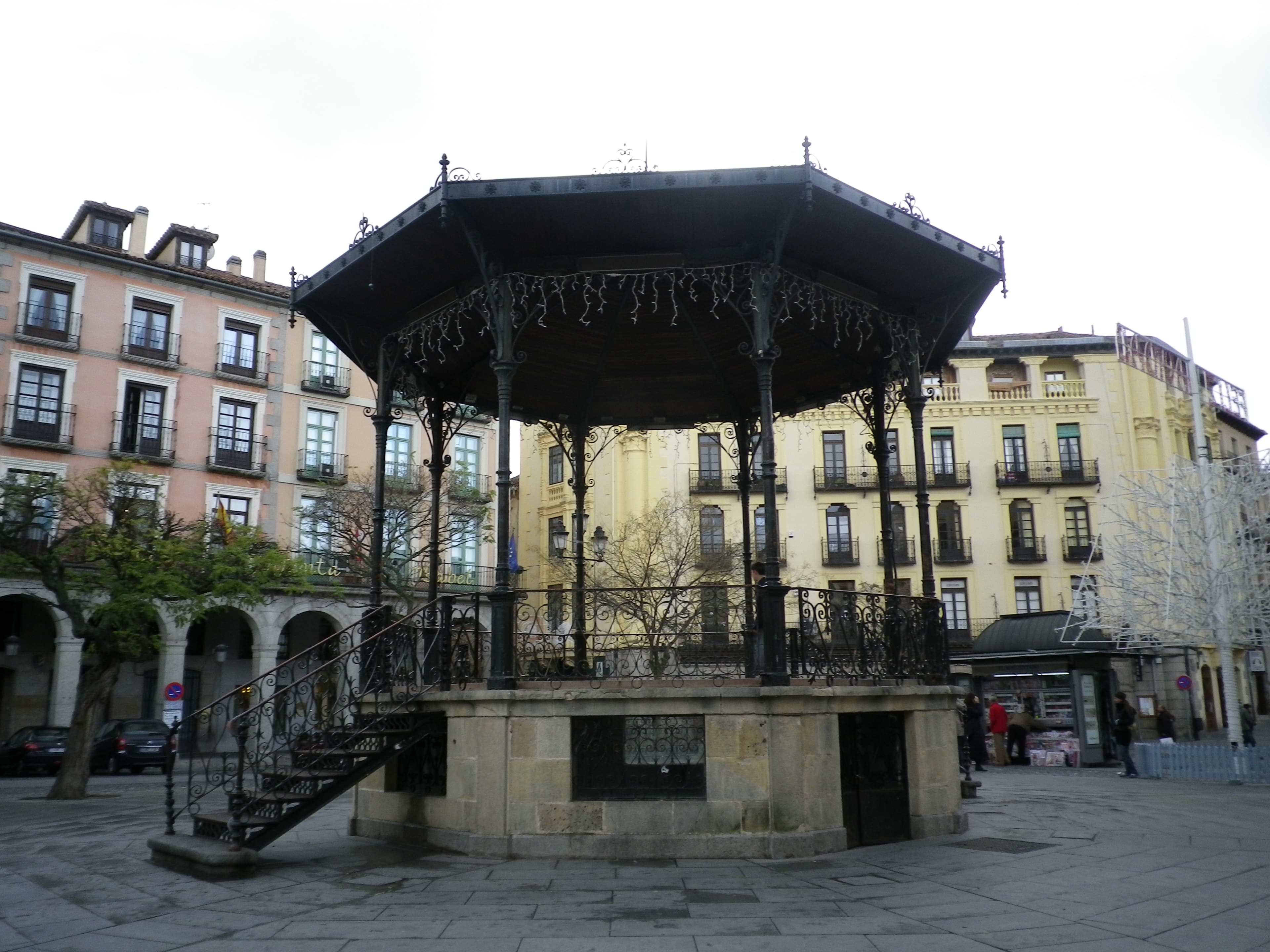
Segovia's big fiestas always land around San Juan (June 24) and San Pedro (June 29). In 2026 the festive core ran from June 19 to 30, with the official opening on Saturday the 20th, and according to the municipal program reported by local press, 97% of it was free: verbenas almost every night in Plaza Mayor, parades, giants and bigheads. You only pay for the bullfight and a handful of concerts.
Two saints, one calendar
Segovia doesn't have one big fiesta, it has two stitched together: San Juan on June 24 and San Pedro on June 29. The city's official program folds them into a single window at the end of June; in 2026 the festive core, with around 110 activities, ran from June 19 to 30, with the official opening on Saturday the 20th. Critical tip: don't assume next year's dates. The definitive program PDF is published by Turismo de Segovia only a few weeks ahead, and it's the only source worth trusting — sites that just copy last year's calendar will send you to an empty square. And don't picture a beach bonfire night: Segovia sits at roughly 1,000 meters, and June evenings turn cool fast, so bring a light jacket even after a sunny day.
What's free and what you pay for
According to the municipal program reported by local press, 97% of the activities are free. That covers the nightly verbenas in Plaza Mayor with live bands, the parades with marching bands, the giants and bigheads winding through the old town, the daytime fair, evening sessions, fireworks, and numerous sports activities. In 2026 there were also several big free-access concerts and a new decentralization initiative called "Acústicos en los Barrios" (specific dates and neighborhoods per each year's official program). What actually costs money is, at minimum, the bullfight at Plaza de La Albuera (bullfighting returned that year after an absence, price per the official program) and a few headline concerts sold separately. Prices change every edition, so check the official ticket outlets. And don't misread that 97% figure — the monuments still charge their regular admission.
Get out of downtown: the neighborhoods
The classic mistake is planting yourself in Plaza Mayor and assuming that's the whole party. The big verbena is there, with bands running from pasodoble into reggaeton well past midnight, but the city's program leans into decentralizing the fiestas, and 2026 launched "Acústicos en los Barrios," spreading performances out into the neighborhoods beyond the old town. That's where you find a neighbors' block party feel instead of a terrace-crowd feel — less crush, more folding chairs. Critical tip: Plaza Mayor genuinely fills up on the nights of San Juan and San Pedro, and the good fireworks-viewing spots get claimed well ahead of time; if you're with kids or don't love crowds, pick a neighborhood event that night instead. And since which neighborhoods get which events changes every year, there's no shortcut — check the official program neighborhood by neighborhood before deciding where to have dinner.
Eating, getting around, and reaching Segovia
At the table, the classics rule: roast suckling pig (cochinillo), judiones beans from La Granja, and ponche segoviano for dessert. Practical warning that can save your night: the historic roast houses' kitchens tend to close well before a verbena winds down, so eat early and dance later, or count on the fair's food stalls. As for driving, don't take the car into the old town: it's pedestrian, narrow, and streets get closed off on verbena nights and during parades; park in the lots outside the city walls and walk in. To reach Segovia from Madrid, the Avant/Alvia train takes about 28 minutes to Segovia-Guiomar, with the station outside the old town connected by city bus line 11 or taxi; by bus, Avanza runs from Moncloa in roughly 1h20 with a more central stop. Always check the last return service — it usually ends well before the verbena does, so if you're staying late, consider booking a night in Segovia. Prices and schedules at renfe.com and avanzabus.com.
Frequently asked questions
When are Segovia's San Juan and San Pedro fiestas?
Do you need a ticket for the fiestas?
What is "Acústicos en los Barrios"?
Where can I park during the fiestas?
Some links on this page are affiliate links: if you book through them, Andelaria may earn a commission at no extra cost to you. Transparency & affiliate policy
Book tickets and tours: Ferias y Fiestas de San Juan y San Pedro de SegoviaPlan your trip
Book the essentials for your trip to Segovia.
Other places in Segovia
Acueducto de Segovia
puenteSegovia's most photographed monument: a 1st-century AD Roman aqueduct stretching 728 meters with 167 granite arches built without mortar, reaching 28.5 meters high at the Plaza del Azoguejo. It still stands almost intact after two millennia and, along with the rest of the old town, is a UNESCO World Heritage site.
Alcázar de Segovia
alcazarA stone castle-palace perched on a rocky spur between the Eresma and Clamores rivers, its pointed turrets said to have inspired fairy-tale castles. It once served as a residence of the Catholic Monarchs and now houses a museum of weapons and period furniture. Climbing the Tower of Juan II rewards you with the best view in Segovia.
Catedral de Segovia
catedralKnown as 'the Lady of the Cathedrals' for its late Gothic elegance, it was built in the 16th century after the original church at the Alcázar was relocated. Highlights include the cloister, the Chapter House with its tapestries, and the tower, one of the tallest in Spain. It presides over the city's Plaza Mayor.
Judería de Segovia
barrioOnce a medieval Jewish quarter, active until the expulsion of 1492, with narrow streets running alongside the city wall and the Cathedral. It still holds houses with interior courtyards, the old synagogue (now the Corpus Christi convent), and the Judería Didactic Center, which explains Sephardic life in the city.
Iglesia de San Martín
iglesiaOne of the finest examples of Segovian Romanesque architecture (12th century), with a porticoed atrium wrapping around almost the entire building, a Mudejar tower and carved doorways. It stands on a quiet square in the historic center, along the route between the Aqueduct and the Plaza Mayor, and usually goes unnoticed by mass tourism.
Plaza Mayor de Segovia
plazaThe social heart of the city, arcaded and lined with trees, flanked by the Cathedral, the Town Hall and the Juan Bravo theater. A common starting point for exploring the old town and trying roast suckling pig at the restaurants under its arcades, with terraces open nearly year-round.
Titirimundi — Festival Internacional de Teatro de Títeres de Segovia
fiestaTitirimundi has turned Segovia into the world's puppetry capital every May since 1985, when Julio Michel founded it. In 2026 the 40th edition (May 12-17) brought together 40 companies from nine countries. Street shows are free; indoor performances are ticketed and sold online at tickets.turismodesegovia.com.
Fiestas de San Frutos, patrón de Segovia
fiestaSan Frutos is Segovia's patron saint, and his feast day never moves: October 25, every year. The symbol of the celebration is "the miracle of the turning page" — the metal book held by the saint's statue on the Cathedral, which turns a page right at midnight. Free and out in the open street; plan to sleep in Segovia, since there's no train or bus back at that hour.
Similar places in other cities
Fiestas de San Isidro
MadridThe San Isidro Festival honours Madrid's patron saint every 15 May with a pilgrimage to the Pradera de Carabanchel, beside the hermitage and the Manzanares river. Free and open to all, it brings together more than 100 activities: street dances, chotis performances, rosquillas pastries and the great Feria Taurina de Las Ventas running alongside.
Orgullo de Madrid (MADO)
MadridMadrid Pride (MADO) is Europe's largest LGBTQ+ event: its national march, free and open to all, runs along the Paseo del Prado to Colón and draws over two million people every first weekend of July. It was born in 1978 and has its heart in the Chueca neighbourhood.
Mad Cool Festival
MadridMad Cool is Madrid's flagship rock and indie festival: it launched in 2016 and now takes place every July at the Iberdrola Music venue (Villaverde). Four days, multiple stages and international headliners. It is a ticketed event — you need a pass (full festival or single day), and they sell out in waves.