Festival Internacional de Cine de San Sebastián (Zinemaldia)
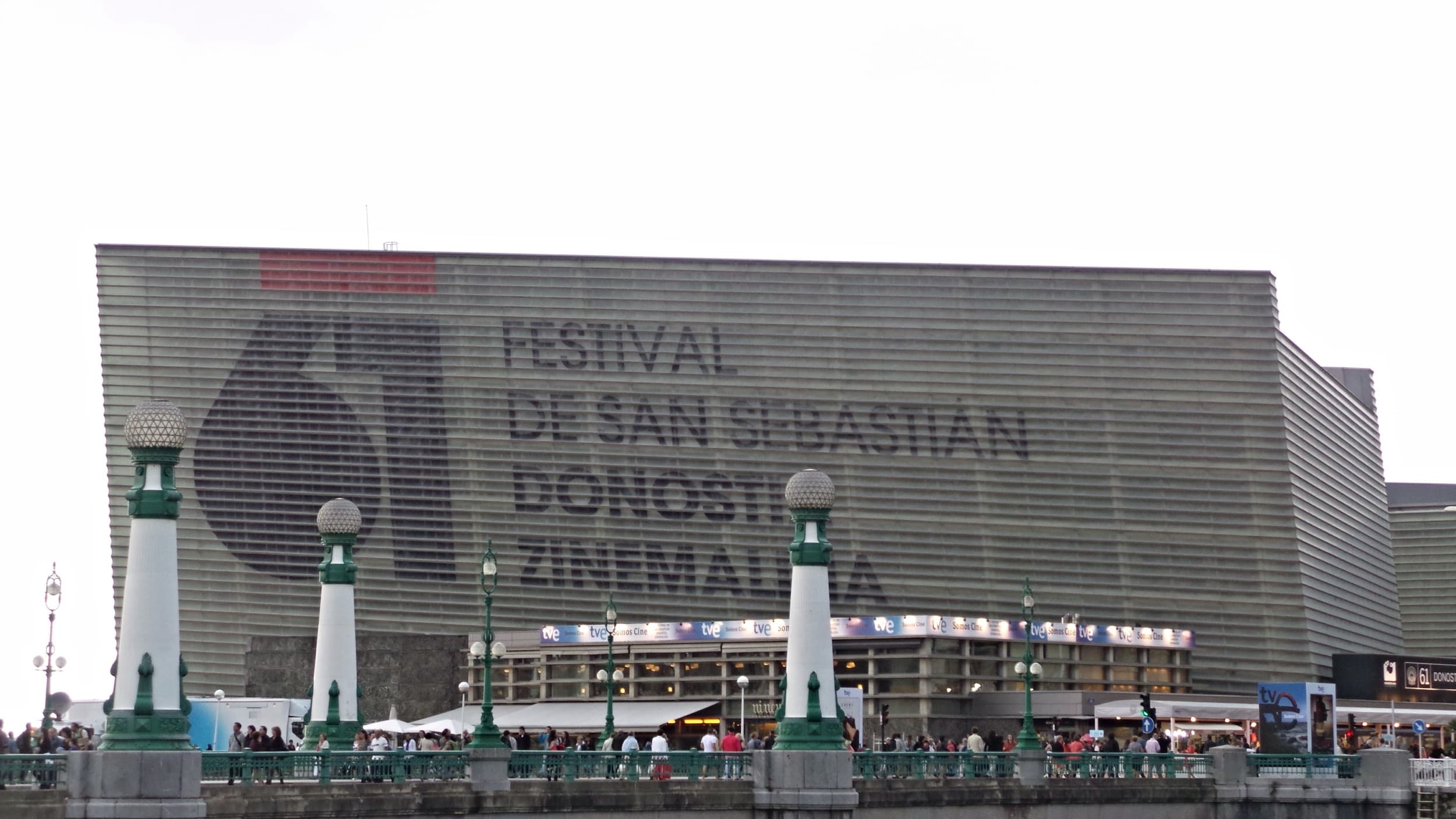
Zinemaldia is Spain's most prestigious film festival and the only one with FIAPF Category A status, alongside Cannes, Venice and Berlin. Every third or fourth week of September, San Sebastián awards its Golden Shell. Watching the red carpet is free; screenings are ticketed, with seats from around €8.75 per session.
What it is and why it matters
The San Sebastián International Film Festival (Zinemaldia in Basque) was born on 21 September 1953 and is Spain's most prestigious film competition: the only Spanish festival with the FIAPF's top 'A' category, an elite it shares with Cannes, Venice and Berlin. Its top prize is the Golden Shell for best feature film. It is also the great meeting point for Spanish-language cinema and the bridge between Europe and Latin America: its screens hosted the international premiere of Vertigo (with Hitchcock in attendance) and the European premiere of Star Wars, and it launched careers including Coppola, Bong Joon-ho and Almodóvar. One thing to be clear about: this is a TICKETED festival. Galas with stars and screenings require a purchased ticket; the only free things are the streets and the red carpet. If you're coming for the films, plan ahead — the best sessions sell out fast.
When and where it takes place
It is always held in the third or fourth week of September, running for around nine days (the 2026 edition is scheduled for 18–26 September). Check sansebastianfestival.com for the exact dates and lineup each year, as both change per edition. The heart of the festival is Rafael Moneo's Palacio Kursaal (1999) — those two translucent cubes beside the Urumea river and Zurriola beach — which hosts the Official Section and the opening and closing galas, with the most attended nocturnal red carpet. The classic glamour is at the Teatro Victoria Eugenia (Plaza Okendo, old town) and the Hotel María Cristina directly opposite, headquarters of the stars, connected by about 120 metres of carpet. Tabakalera rounds out the map with the Zabaltegi section. A word of warning: this is NOT a beach festival despite being right next to Zurriola. The plan is screenings and red carpets, in a Cantabrian September of around 20 °C with the possibility of rain — bring a waterproof jacket.
Watching stars for free or buying a pass
The good news: watching celebrities walk the red carpet is FREE. You position yourself behind the barriers at the Kursaal or the Teatro Victoria Eugenia, or beside the entrance of the Hotel María Cristina, without paying a thing. That said, these areas have limited capacity: gala nights fill up, so arriving well in advance is worthwhile. The Kursaal has been the epicentre of galas since 1999; the Teatro Victoria Eugenia has its own carpet and screenings, so check the day's programme to decide where to stand. If you want to go inside, tickets are paid: around €8.75 per session, with Basque-language passes at €1 usually available. Discounts apply: 25% when buying 10 or more tickets, 50% with a Kutxabank Gazte card and 10% with a DonostiaKultura card. Sales begin in mid-September at the Zinemaldi Plaza box office (Avda. de la Zurriola 1) and online; confirm that year's prices on the official website.
Culinary Zinema and the gala ticket gotcha
One unique detail: the Culinary Zinema section (running since 2011, with the Basque Culinary Center) crosses film and haute cuisine in a city with one of Europe's highest concentrations of Michelin stars per capita, according to the San Sebastián Tourism Office. Each edition screens several food-themed features, and some are paired with a themed dinner signed by top-tier chefs; the film-plus-dinner package runs around €80–85, and film-only tickets around €8–9 (check the current year's prices). The big gotcha: Official Section gala passes — the ones with the stars — sell out in minutes on the first day of sale. Don't be disheartened. The parallel sections (Horizontes Latinos, Zabaltegi-Tabakalera, New Directors) have availability and an equally high standard, often featuring the most exciting discoveries of the year. If your goal is to watch real cinema and not just the photocall, head straight to these and save yourself the scramble for the most sought-after passes.
Frequently asked questions
Do you have to pay to watch the red carpet and see the stars?
How much do tickets cost and where can you buy them?
When does the San Sebastián Film Festival take place?
Gala passes have sold out — what now?
Some links on this page are affiliate links: if you book through them, Andelaria may earn a commission at no extra cost to you. Transparency & affiliate policy
Book tickets and tours: Festival Internacional de Cine de San Sebastián (Zinemaldia)Plan your trip
Book the essentials for your trip to San Sebastián.
Other places in San Sebastián
Playa de la Concha
playaThe most beautiful urban beach in Europe, with its unmistakable shell-like shape and the elegant 2 km Paseo de la Concha. Flanked by Monte Urgull and the island of Santa Clara, it offers fine sand, calm waters and postcard-perfect views of Palacio Miramar. The absolute symbol of Donostia and the epicentre of Basque summer life.
Parte Vieja (Casco Histórico)
barrioA labyrinth of medieval streets rebuilt after the fire of 1813, home to the world's highest concentration of pintxos bars per square metre. The gastronomic and festive heart of Donostia: Plaza de la Constitución — with the numbered balconies of the former bullring — and the Basílica de Santa María are its architectural jewels.
Monte Urgull y Castillo de la Mota
castilloA 123 m hill crowning the old town, topped by the Castillo de la Mota (12th century) and a monumental statue of the Sacred Heart (11 m). Paths through gardens and cannon batteries lead to viewpoints with panoramic views over La Concha bay and the port. Free entry all year round.
El Peine del Viento
monumentoThree Corten steel sculptures by Eduardo Chillida (1977) anchored in the rocks at the far end of Ondarreta beach, where the city merges with the Cantabrian Sea. Architect Luis Peña Ganchegui designed the surroundings with granite paving and water jets that emerge with the tides. The defining masterpiece of 20th-century Basque art.
Monte Igueldo
miradorAt 181 m altitude, this offers the most spectacular views of La Concha bay and the Cantabrian horizon. You reach the top on the 1912 wooden funicular, one of the oldest in the Basque Country. At the summit, a charming century-old amusement park rounds off the experience. An unmissable stop at sunset.
Kursaal (Palacio de Congresos y Auditorio)
museoTwo cubes of translucent glass designed by Rafael Moneo (1999) on the banks of the Urumea river, winners of the Mies van der Rohe Award. Home to the San Sebastián International Film Festival (one of the world's most prestigious) and the Quincena Musical. An icon of contemporary Spanish architecture, dramatically lit after dark.
Tamborrada de San Sebastián (Danborrada)
fiestaLa Tamborrada is Donostia's patron festival: every January 20th — a fixed date, never moved — the entire city beats drums and barrels for exactly 24 hours, midnight to midnight. More than 176 adult comparsas (+20,000 people) march through every neighbourhood. UNESCO Intangible Cultural Heritage (2018). Free and open to all.
Aste Nagusia — Semana Grande de San Sebastián
fiestaAste Nagusia is the main festival of Donostia-San Sebastián, held around 15 August (Assumption Day). In 2026 it runs from 8 to 15 August — nine free days that kick off with the cannon shot in Alderdi Eder. Its global trademark: the International Fireworks Competition, drawing ~90,000 people each night over La Concha bay.
Similar places in other cities
Fiestas de San Isidro
MadridThe San Isidro Festival honours Madrid's patron saint every 15 May with a pilgrimage to the Pradera de Carabanchel, beside the hermitage and the Manzanares river. Free and open to all, it brings together more than 100 activities: street dances, chotis performances, rosquillas pastries and the great Feria Taurina de Las Ventas running alongside.
Orgullo de Madrid (MADO)
MadridMadrid Pride (MADO) is Europe's largest LGBTQ+ event: its national march, free and open to all, runs along the Paseo del Prado to Colón and draws over two million people every first weekend of July. It was born in 1978 and has its heart in the Chueca neighbourhood.
Mad Cool Festival
MadridMad Cool is Madrid's flagship rock and indie festival: it launched in 2016 and now takes place every July at the Iberdrola Music venue (Villaverde). Four days, multiple stages and international headliners. It is a ticketed event — you need a pass (full festival or single day), and they sell out in waves.