Fires de Sant Narcís
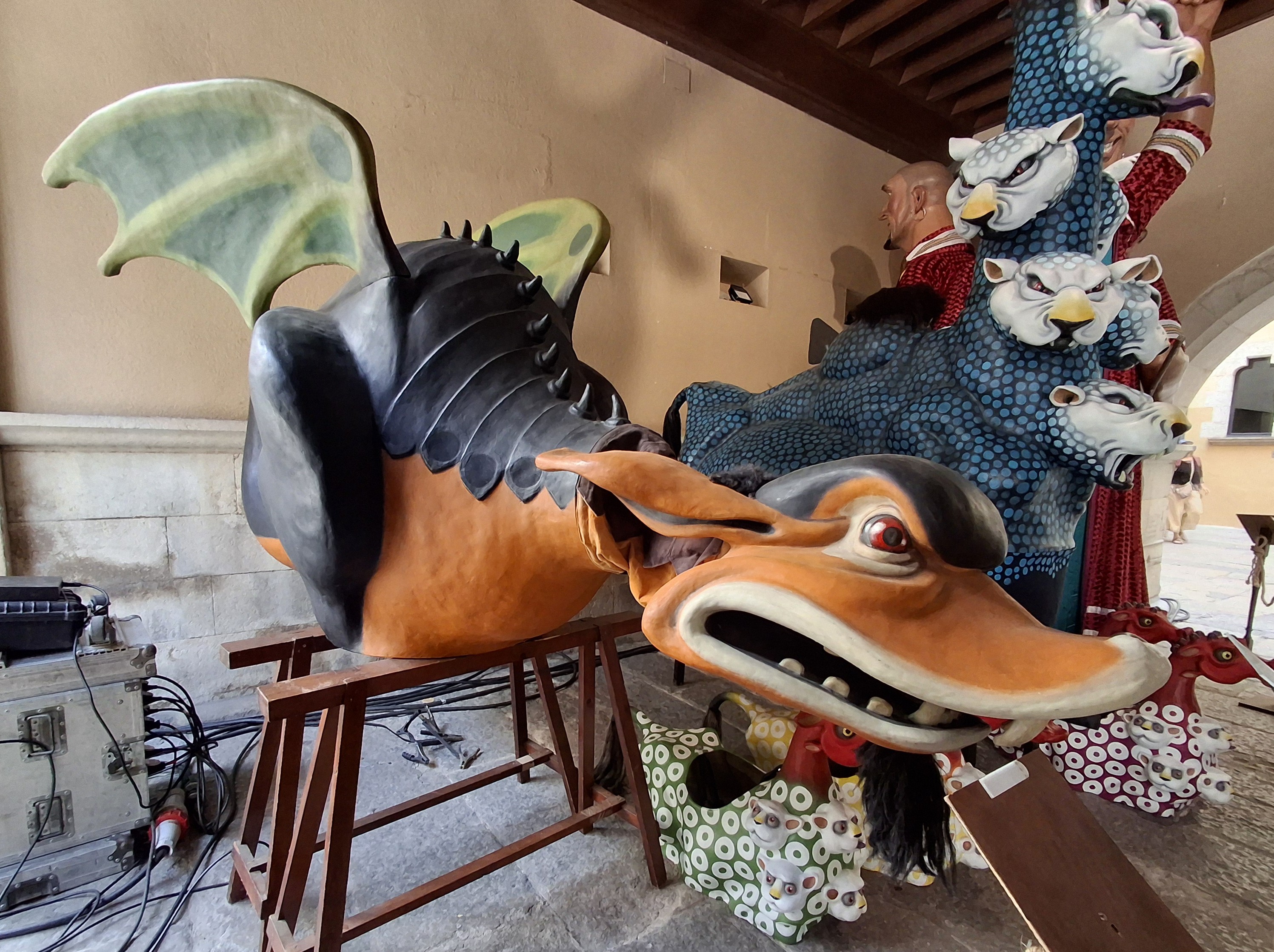
The Fires de Sant Narcís are Girona's Festa Major: roughly ten days in late October, around the 29th, with over 200 free events. Documented since the 14th century, it is the oldest fair in Catalonia, featuring the famous fira d'atraccions in the Parc de la Devesa and the old town spilling out into the streets.
The oldest fair in Catalonia and the legend of the flies
The Fires de Sant Narcís began as a medieval agricultural and livestock fair tied to the feast day of Girona's patron saint. Written records date back to the 14th century — over 600 years — making it the oldest fair in Catalonia with a documented history. Sant Narcís was a martyr-bishop of the 4th century; the traditional date of his death, 307 AD, comes from legendary sources rather than reliable historical documents. He was declared patron of the city in 1387. The symbol of the festival is the fly: according to the legend of 1285, when the troops of Philip III of France desecrated his tomb, a swarm of flies emerged and drove the army away. Tradition repeats the miracle in 1653 and 1684. Today you can spot sculpted flies on facades throughout the Barri Vell and on the Petjada de Sant Narcís (marble, 2015). One thing to keep in mind: this is legend, not documented history — Counter-Reformation theologians themselves dismissed it.
Rides at the Devesa, castellers, correfocs and gegants
The ticketed heart of the festival is the fira d'atraccions in the Parc de la Devesa, held there since 1960 and the largest funfair in Catalonia by number of attractions. There is no general admission: each operator charges individually per ride, so costs add up fast if you're going with kids. There are usually family discount sessions and a sensory-friendly session with reduced noise and lights. The rest of the programme is rooted in popular culture and almost entirely free: a castellers display on the Cathedral steps, parades of gegants i capgrossos, sardanes, havaneres, and a nocturnal correfoc through the old town. One critical tip: the correfoc throws real sparks. Wear old cotton clothing, a hood and closed shoes, keep your distance from the Diables, and don't bring small children into the thick of the procession. Check web.girona.cat for dates and the full lineup each year.
The Barri Vell during the festival
During the Fires, the Barri Vell stops being a postcard and becomes a stage. The Cathedral steps host the castellers display; the squares of the old town — Plaça del Vi, Sant Domènec, the cobbled carrers — fill with gegants parades, craft markets and the correfoc procession. The main day is 29 October, with a solemn mass at the basilica of Sant Feliu presided over by the bishop. An honest strategy for avoiding the crowds: visit the Cathedral (7 €, Girona Episcopal combined ticket 10 €) and the Museu d'Art in the morning, when the old town can still breathe; save the afternoon and evening for the street events. On the central weekend — especially the night of the correfoc — the Barri Vell fills to capacity and its narrow streets become bottlenecks. If crowds overwhelm you, that stretch is not for you.
How to get from Barcelona and practical tips
From Barcelona Sants there is a direct AVE/Avant train to Girona in 39–42 minutes, no connection required, with around 14–18 direct services per day (first departure around 6:00 on weekdays, ~7:05 on weekends; last service around 23:00). Fares start from ~€7.30 booked in advance, with an average of around €24; always check Renfe as prices vary considerably by day and season. From Girona station (Plaça Espanya) to the fira d'atraccions in the Parc de la Devesa is about a 5-minute walk (roughly 350 m); to the Barri Vell, between 10 and 20 minutes depending on where in the old town you're heading. Late-October weather: highs around 20 °C and lows dropping to 9–13 °C, with an 18% chance of a rainy day. Bring a layer for correfoc nights and open-air concerts. If you're only going for one day, go on a weekday — the central weekend draws more than 200,000 people.
Frequently asked questions
When do the Fires de Sant Narcís take place?
Is there an entrance fee?
Which days are the busiest?
How do I get there from Barcelona?
Some links on this page are affiliate links: if you book through them, Andelaria may earn a commission at no extra cost to you. Transparency & affiliate policy
Book tickets and tours: Fires de Sant NarcísPlan your trip
Book the essentials for your trip to Girona.
Other places in Girona
Catedral de Girona (Santa María)
monumentoThe cathedral with the widest Gothic nave in the world, atop 90 Baroque steps. Inside, the famous 11th-century Tapestry of Creation.
Banys Àrabs
monumentoDespite the name, these are 12th-century Romanesque baths inspired by hammams. The cold room with its domed octagonal lantern is the most photographed.
Cases de l'Onyar i Pont de les Peixateries Velles
puenteThe colourful houses over the river and the red iron bridge built by Eiffel's firm in 1877. Girona's definitive postcard view.
El Call (barrio judío)
barrioOne of the best-preserved medieval Jewish quarters in Europe: very narrow stone alleys and the Museum of Jewish History.
Basílica de Sant Feliu
monumentoRomanesque-Gothic church with a bell tower truncated by lightning, the tallest in the city. It holds Roman early-Christian sarcophagi.
Passeig de la Muralla
miradorFree walk along the top of the old Carolingian walls, with towers to climb and the best views over the rooftops and surrounding hills.
Revetlla de Sant Joan
fiestaThe Nit de Sant Joan is free and open to all, lighting up Girona on the night of 23–24 June (the 24th is a public holiday across Catalonia). Bonfires blaze in neighbourhoods and squares, the Flama del Canigó arrives at the Plaça del Vi, and coca and cava fill the tables: an inland midsummer festival, no beach, right beside the Onyar.
Temps de Flors
fiestaEvery May, Girona's Barri Vell becomes an ephemeral garden: Temps de Flors fills more than 100 spaces across the medieval old town — the cathedral, the Arab baths, private courtyards that only open for the occasion — with around 140 floral installations. Nine days, free admission, and over 400,000 visitors at the last edition.
Similar places in other cities
Revetlla de Sant Joan
BarcelonaOn the night of June 23rd to 24th, Barcelona catches fire: more than 92,000 people packed the beaches in 2025 (Guàrdia Urbana). Free street parties across all ten districts, coca de Sant Joan, cava, firecrackers and the Flama del Canigó brought down from the Pyrenees. June 24th is a public holiday throughout Catalonia. Here's how to enjoy it without nasty surprises.
La Mercè
BarcelonaLa Mercè is Barcelona's biggest festival, free and massive: it draws between 1.5 and 2 million people around 24 September, the feast day of the city's co-patron saint. Hundreds of free events take over the whole city, from castells, correfoc and gegants to the BAM festival and the Piromusical fireworks at Montjuïc, with no ticket required. The exact programme is published every year at barcelona.cat/lamerce.
Primavera Sound
BarcelonaPrimavera Sound is a paid mega-festival that fills Barcelona's Parc del Fòrum in early June. Founded in 2001, it now draws around 75,000 people a day with an international lineup of indie, electronic, hip hop and pop. It isn't free: you get in with a full pass or a day ticket, and it usually sells out months ahead.