Festival Imaterial
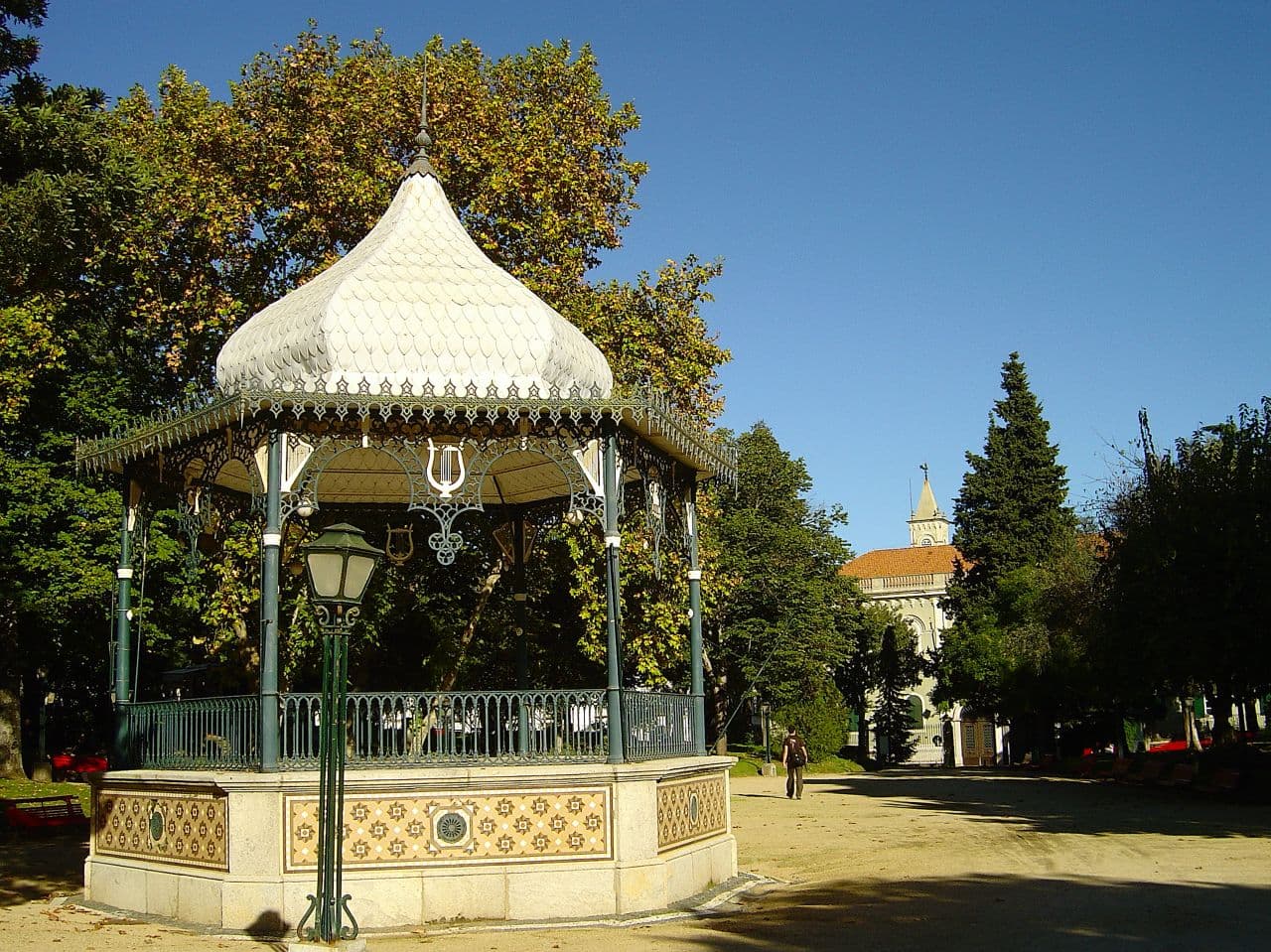
Imaterial is Évora's intangible heritage and world music festival, run by the Município together with the Fundação Inatel under the motto "Pensar e Viver o Património" (Thinking and Living Heritage). It takes place in mid-to-late May in the Jardim Público. Talks and workshops are free; the evening concerts are ticketed, sold as double bills.
What Imaterial is (and isn't)
The Imaterial Festival isn't a music festival in the usual sense: it's an intangible cultural heritage festival that uses music as its entry point. It's run by the Município de Évora together with the Fundação Inatel, with artistic direction by Carlos Seixas and production by Gindungo, under the motto "Pensar e Viver o Património." That translates into a mixed programme: talks and conferences, documentary screenings, exhibitions, children's workshops, and concerts that bring together musical traditions from different continents alongside the Alentejo scene, including cante alentejano, inscribed on UNESCO's Representative List of the Intangible Cultural Heritage of Humanity in 2014. Here's the first misunderstanding worth clearing up: the name sounds institutional, but this isn't an official UNESCO event — it's a specific municipal festival run by Évora. And the heritage label covers the cante, not the whole lineup: the rest of the artists are simply good music, with no heritage status attached.
Dates, prices and tickets
The pattern has held steady across its four editions: mid-to-late May, roughly nine days. The last edition documented by the town hall and the festival's own website is the 4th, running 17 to 25 May. Don't assume it repeats every year without checking — one edition was announced and then fell through when Inatel pulled its financial backing, so confirm at festivalimaterial.pt before booking a hotel. The access model is mixed, and that's the detail that trips people up most. Talks, documentary screenings, performances, workshops and exhibitions are free entry; the evening concerts are sold as double bills (two concerts per ticket) at a symbolic price — €3 in the 2024 edition. Advance tickets go on sale on bol.pt in late April, with sales also at the box office and authorised outlets (CTT, FNAC, Worten). Check the current price on the official website.
The Jardim Público, the Mata and the Galeria das Damas
The main venue is Évora's Jardim Público and its Mata, the historic park built against the city walls, home to the Galeria das Damas in the former Paço Real de D. Manuel. It's worth resetting expectations here: this isn't a fairground or a sprawling camping festival. It's a wooded urban park within the city, with no campsite, and the rest of the programme is spread across venues in the old town — Teatro Garcia de Resende on Praça Joaquim António de Aguiar, Auditório Soror Mariana, Auditório da Fundação Eugénio de Almeida, the park's Ludoteca — all within walking distance. From Praça do Giraldo or the Roman Temple it's about a five-minute walk. You can reach Évora by car, by train with CP, or by bus with Rede Expressos, and once you're there you won't need transport. Capacity at each venue is limited and concert tickets are named to the holder: booking ahead is the one precaution that actually matters.
Évora 2027 and the next edition
Évora will be European Capital of Culture in 2027, with a bid built around the concept of "Vagar" (unhurriedness), inspired by the Alentejo's pace of life and grounded in cante alentejano, religious processions, philharmonic bands and choral groups. The town hall has turned Imaterial into a showcase for that process, and in 2025 it launched calls such as "A Nossa Vez" and "Linha do Vagar" (one million euros for national projects); check evora2027.com for the current status. The practical upshot is that the programme tends to grow year on year, but it also depends on funding that can shift: don't make plans around a lineup that doesn't exist yet. Before you travel, confirm dates, venues and prices at festivalimaterial.pt. One note on what to wear: this isn't a summer or beach festival. May in inland Alentejo is mild by day and distinctly cool at night under the park's trees — bring a jacket for the concerts.
Frequently asked questions
Is the Imaterial Festival free?
When does it take place and where do I buy tickets?
Is it an official UNESCO festival?
Is there camping, or do I need a car?
Some links on this page are affiliate links: if you book through them, Andelaria may earn a commission at no extra cost to you. Transparency & affiliate policy
Book tickets and tours: Festival ImaterialPlan your trip
Book the essentials for your trip to Évora.
Other places in Évora
Templo de Diana
temploThe best-preserved Roman temple on the Iberian Peninsula, dating from the 1st century and dedicated to the imperial cult (most likely Augustus, despite the popular name). It survived because it was absorbed into a castle during the Middle Ages. Its 14 Corinthian columns, right in the historic centre, are Évora's most photographed sight.
Sé de Évora (Catedral)
catedralPortugal's largest medieval cathedral, built between 1280 and 1340, blending Gothic with late Romanesque and featuring two asymmetrical towers. Entry to the cathedral alone costs 2 €; adding the cloister, panoramic terrace and museum brings it up to 4.50 €. You can climb the bell tower via a 135-step spiral staircase to a terrace with views over the whole Alentejo.
Capela dos Ossos
capillaAttached to the Igreja Real de São Francisco, its walls and columns are covered with the bones and skulls of around 5,000 people, the work of 17th-century Franciscan monks. Above the door, an inscription warns: 'Nós ossos que aqui estamos, pelos vossos esperamos' ('We bones here await yours'). The ticket (6–7 €, free under 12) includes the museum core, the nativity-scene (presépios) gallery and the panoramic terrace.
Praça do Giraldo
plazaÉvora's living room since the 16th century, anchored at one end by the Igreja de Santo Antão and its eight-spout marble fountain. Ringed by arcades, cafés and shops, it once hosted Inquisition autos-da-fé and is now the starting point for any walk through the historic centre.
Aqueduto da Água de Prata
acueductoAn 18-kilometre aqueduct built in the 16th century by the architect Francisco de Arruda — the same behind the Torre de Belém — to supply the city with water. Its most photogenic stretch runs along Rua do Cano, where the arches have been built directly into the fronts of the houses.
Universidade de Évora (Colégio do Espírito Santo)
universidadFounded in 1559 by the Jesuits, it's Portugal's second-oldest university after Coimbra. Its two-storey Renaissance cloister and 18th-century azulejo-lined classrooms, including the famous 'Sala dos Actos', can be visited while it continues to function as an active university; entry (3 €) is usually free outside the 25 July–31 August period.
Feira de São João de Évora
fiestaÉvora's biggest fair has run since 1569, when it was the livestock market that set prices across the Alentejo. Today it's roughly two weeks of tasquinhas (food stalls) and free concerts on the Rossio de São Brás, just outside the walls. Entry is free to the whole site, shows included.
Similar places in other cities
Festas de Santo Antonio de Lisboa
LisboaThe Festas de Santo António are Lisbon's biggest celebration: free and open throughout June, with the main night falling on the 12th to 13th. Neighbourhood arraiais with sardinha assada, the Marchas Populares along Avenida da Liberdade (each bairro competes) and the collective Casamentos de Santo António at the Sé. Over 40 events, nearly all at no cost.
Festas de Lisboa
LisboaThe Festas de Lisboa honour Santo António (who died on 13 June 1231) throughout the entire month of June, with the climax on the night of the 12th. Free and open to all: neighbourhood arraiais with grilled sardines, manjericos and the Marchas Populares along Avenida da Liberdade since 1932.
NOS Alive
LisboaNOS Alive is one of Portugal's biggest music festivals. A ticketed event (day passes or full festival passes), it takes place every July at the Passeio Marítimo de Algés (Oeiras), on the banks of the Tagus river just a few minutes by train from central Lisbon. Rock, indie, pop and electronic music since 2007.